Song Meaning
The lyrics paint a stark picture of immediate post-breakup desolation. The narrator is physically present, replaying a record they can't actually hear, their mind lost in the memory of a departure that felt like a death. The visual of their forehead against the glass, watching a car disappear into the night, is a potent image of helplessness and the crushing finality of loss. It’s a moment where life itself seems to be ending.
The central, crushing realization is the profound unhappiness of the one left behind. The repeated refrain, "O oui le plus malheureux / C'est celui qui reste / Et celui qui reste / C'est moi," hammers home this singular, agonizing truth. The narrator isn't just sad; they are definitively *the* most unhappy, trapped in the aftermath while the other person has moved on, taking their shared child with them. This division of their former life – the child with the departing partner, the cold house with the narrator – underscores the emptiness.
The craft here is in the stark contrast between outward composure and inner devastation. The narrator claims they didn't cry in front of their partner, a small act of pride, but immediately admits they couldn't even maintain that. This subtle shift highlights the internal struggle: a desperate attempt to hold onto dignity even as their world crumbles. The objects they touchable, once imbued with shared affection, now feel like cold relics of a lost intimacy, a tangible representation of the lingering winter of their grief.
This raw, unvarnished portrayal of abandonment is what makes the lyrics hit so hard. There's no grand metaphor or complex narrative, just the brutal, simple fact of being the one left standing alone. The repetition of
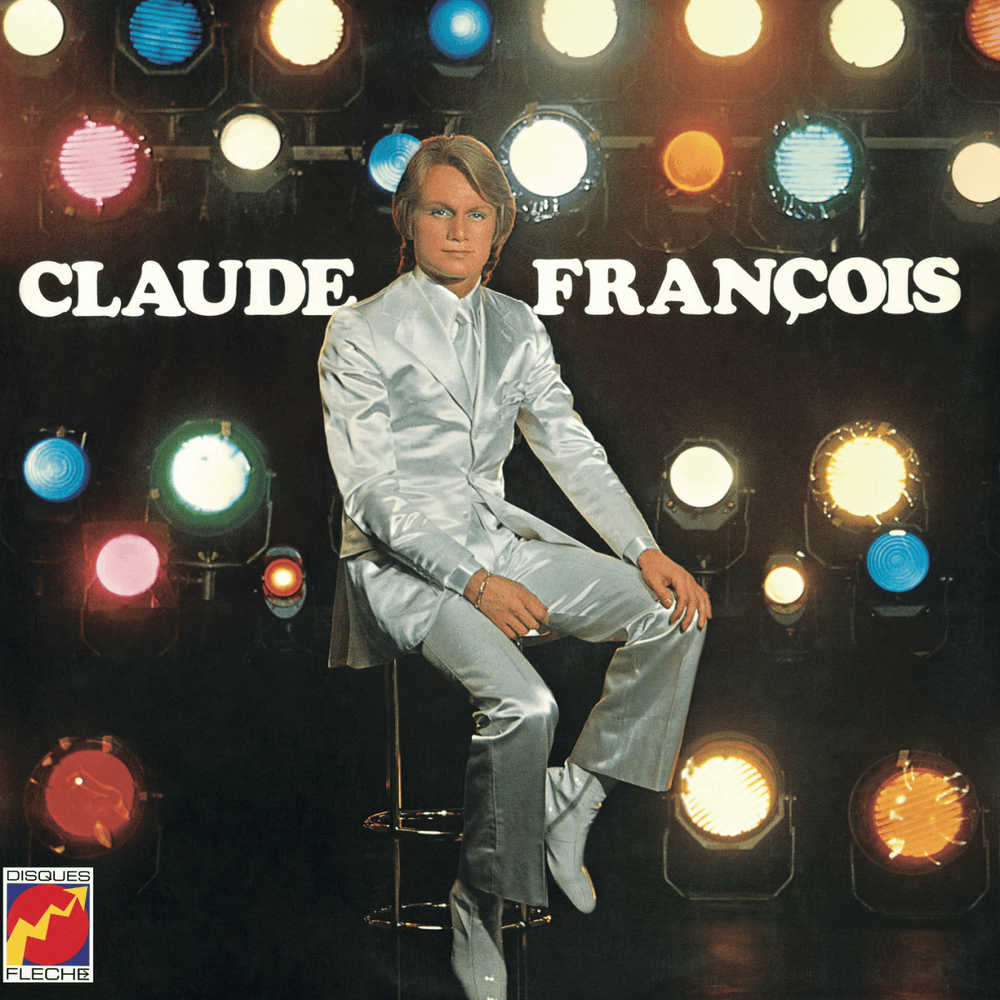
 View Artist