Song Meaning
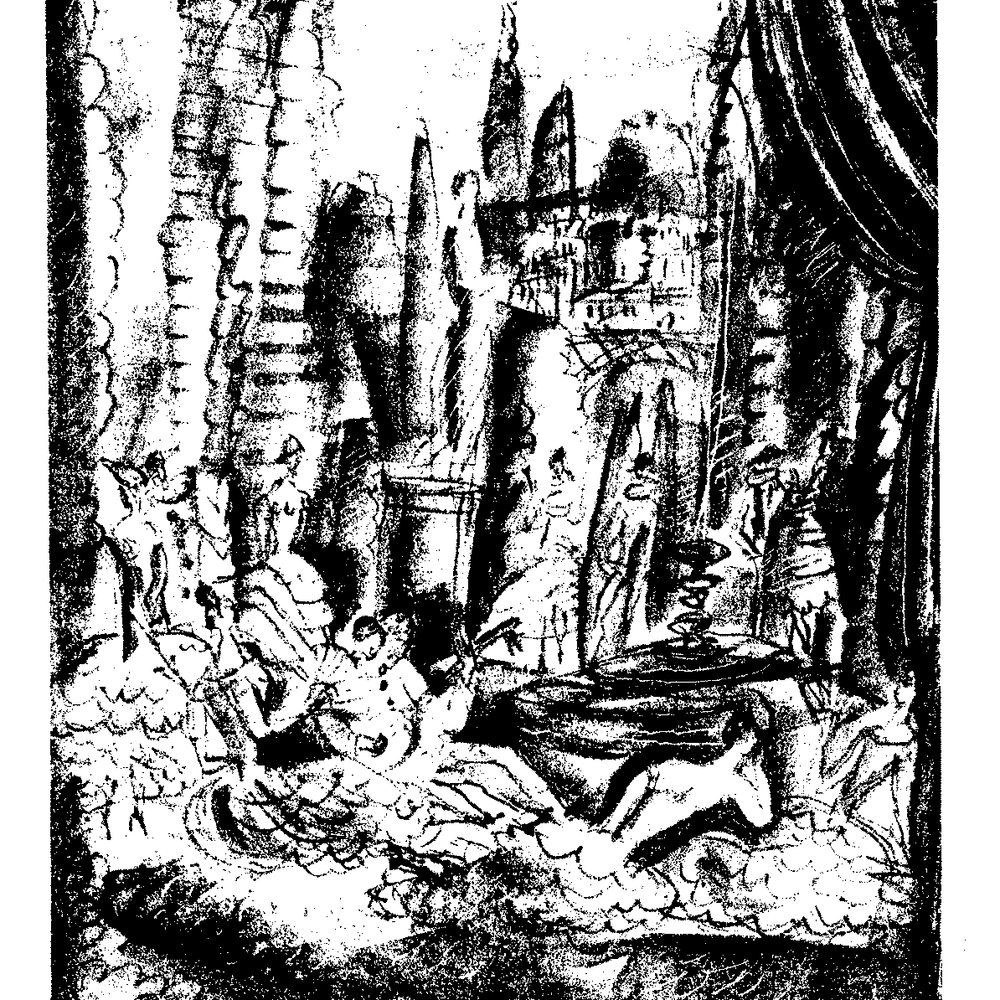
The lyrics paint a series of fragmented scenes, each featuring a classic commedia dell'arte character. Pierrot, Cassandra, Harlequin, and Columbine are caught in isolated, almost ritualistic moments. There's a distinct theatricality here, but it's tinged with underlying melancholy and deception. The immediate feeling is one of private dramas unfolding, largely unobserved.
A central tension emerges from the stark contrast between these characters' outward actions and their internal states. Pierrot, far from a romantic ideal, empties a flask and practically eats pâté, suggesting a resigned, almost numb existence. Cassandra sheds an "unknown tear" for her disinherited nephew, highlighting a profound, unacknowledged grief. Meanwhile, the "faquin d'Arlequin" plots an abduction, his villainy performed with a theatrical pirouette.
The most compelling craft element is how the lyrics subvert these iconic figures, revealing their inner worlds or unexpected vulnerabilities. Pierrot, the sad clown, is shown in a moment of mundane desperation, far from a romantic "Clitandre." Cassandra, the prophetess of doom, is reduced to personal, unheeded sorrow. This creates a powerful irony, especially as Columbine dreams of feeling a "cœur dans la brise," completely unaware of the plot unfolding around her.
These lyrics are effective because they use concise, evocative snapshots to build a rich, melancholic world. By presenting familiar archetypes in moments of quiet longing, deception, or vulnerability, the writing invites a deeper look beyond the surface. The French phrasing adds a layer of classicism, while specific actions like "vide un flacon" or "pirouette quatre fois" ground abstract emotions in tangible, memorable images. It's a poignant commentary on human nature, where grand narratives often play out in small, isolated acts of sadness, plotting, and naive dreaming.
 View Artist