Song Meaning
The narrator recounts a seemingly minor, yet deeply unsettling, encounter. The phrase "the funniest thing" is repeated like a nervous tic, masking a profound emotional disturbance. The scene is set with a chance meeting, an "old you know who," who is now out with a new partner, "her new honey." This initial description is delivered with a detached, almost observational tone, as if the narrator is trying to process the visual information without fully engaging with the emotional fallout.
The core tension arises from the narrator's conflicting reactions to the ex-partner's apparent happiness. While the ex is described as "having a ball, spending his money" and being affectionately "held close," the narrator's internal monologue reveals a darker, more cynical perspective. The narrator predicts that the new lover will "soon discover" something about her, suggesting a hidden deceit or a pattern of behavior that will inevitably lead to heartbreak. This creates a dramatic irony, where the outward appearance of joy is juxtaposed with the narrator's grim foreboding.
The most striking aspect of the writing is the persistent, ironic use of "the funniest thing." This phrase, repeated six times, becomes a shield against genuine grief or anger. It’s a way of framing a painful memory as a bizarre anecdote, a coping mechanism that highlights the narrator's inability to confront the reality of the situation. The shift in the final verse, from "funniest thing" to "make me cry," is crucial. It reveals that the humor is a fragile veneer, and beneath it lies a deep sadness and a lingering attachment, suggesting the narrator is not as over the relationship as they might pretend.
This lyrical construction is effective because it mirrors the complex, often contradictory nature of heartbreak. The narrator is caught between wanting to believe their ex has moved on and is happy, and the painful realization that their presence still evokes a strong emotional response. The repeated, almost sarcastic, descriptor "funniest thing" underscores the absurdity of their own lingering feelings, making the eventual admission of tears all the more poignant and relatable for the reader, a moment of unexpected emotional resonance.
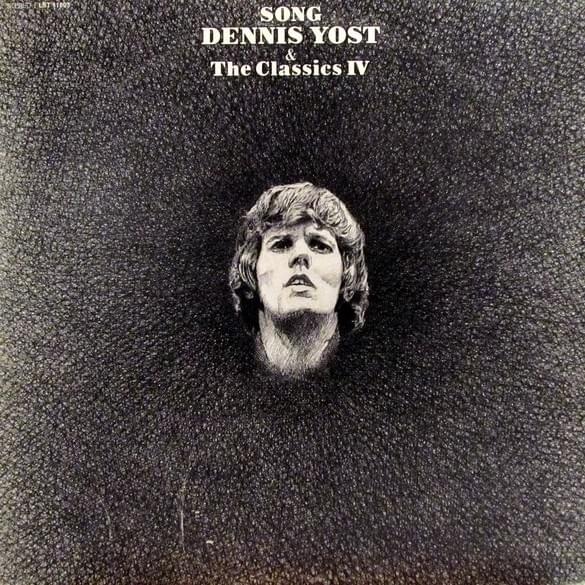
 View Artist