Song Meaning
The lyrics paint a vivid picture of an internal restlessness, a familiar yearning for something beyond the ordinary. The narrator describes a persistent feeling, likened to a "voice of hunger," that signals a need for more than their current existence offers. This isn't a new sensation, but a recurring one that drives a desire for exploration and escape. The immediate emotional tone is one of quiet desperation mixed with a burgeoning sense of resolve.
The central tension lies between the comfort of the known and the irresistible pull of the unknown. The narrator explicitly states they are "just not a settler" and that the conventional "nine to five" life doesn't align with their spirit. This rejection of stability is framed not as a failure, but as a necessary step toward self-discovery and freedom. The choice to embrace this inner "drifter" is presented as an act of authenticity and liberation.
A particularly striking element is the recurring imagery of the "open road" and "sunsets to be ridden into." These phrases create a powerful sense of boundless possibility and romantic adventure, contrasting sharply with the implied limitations of a settled life. The idea of giving in to the "drifter" suggests a surrender to an innate impulse, a recognition that this nomadic spirit is an intrinsic part of their identity rather than a choice to be fought.
Ultimately, the effectiveness of these lyrics stems from their honest portrayal of a common human desire for freedom and self-definition. The narrator's clear articulation of their internal conflict and their embrace of an unconventional path resonates because it validates the feeling of being out of step with societal expectations. The simple, direct language makes the profound yearning for escape feel both personal and universally understood, offering a sense of solidarity to anyone who has felt the call of the road.
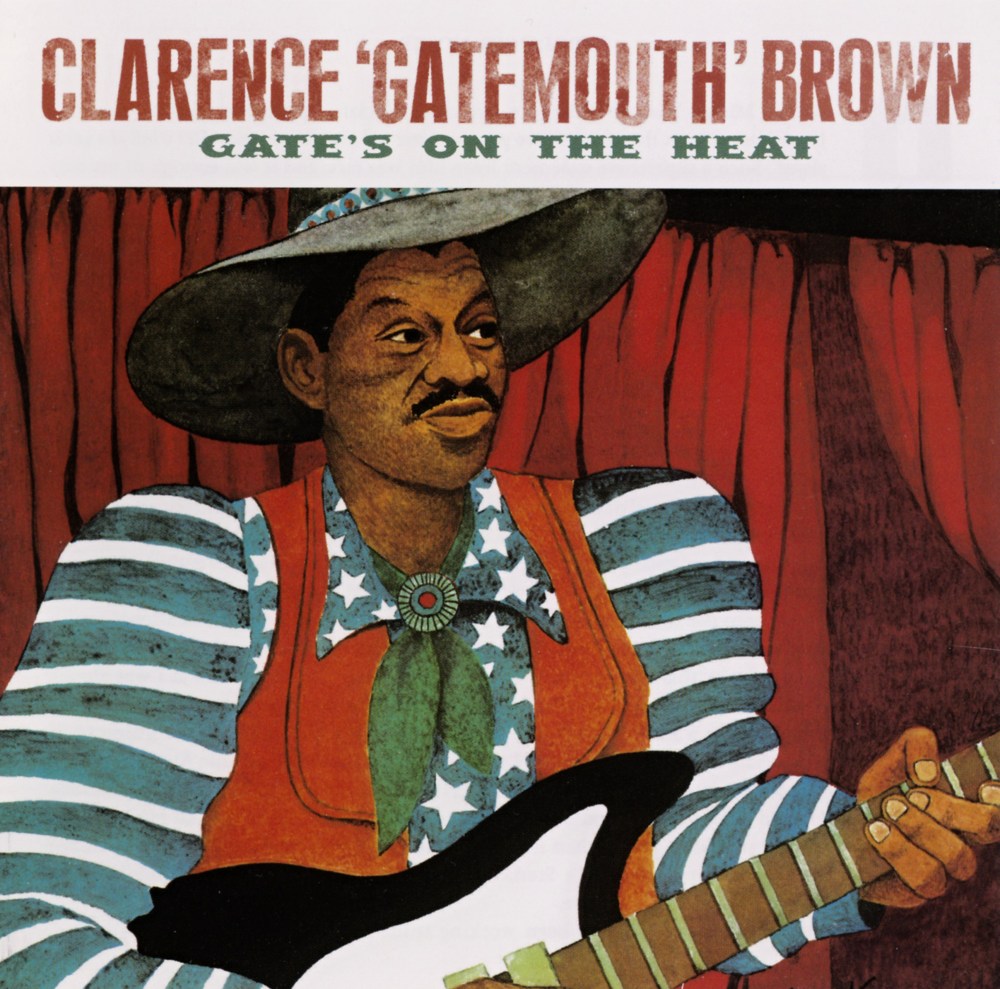
 View Artist