Song Meaning
The lyrics paint a picture of stalled momentum and lingering regret after a relationship's end. The narrator is stuck, replaying past promises and the casual beginning of the connection. There's a palpable sense of 'what if' and a yearning for a lost sense of progress. The repeated question, "What did you do with my forward motion?" underscores this feeling of being adrift and unable to move past a certain point. It’s a quiet, internal crisis playing out in the stillness of a house.
The central tension lies between the memory of shared future plans and the current reality of isolation. The narrator recalls "all of those things we were going to do some day, somehow," contrasting it sharply with the present state of "barely leaving the house." This juxtaposition highlights the emotional paralysis that has set in. The initial invitation, "You can stay the night," which was met with hesitant acceptance, is presented as the seemingly innocuous starting point of this entire, now-regretted, situation.
The most striking craft element is the persistent motif of "forward motion." It’s not just a general feeling of being stuck, but a specific, almost physical sense of lost drive that the narrator attributes to the other person's departure. The image of the hair, once a point of intimacy where the other person would "hide your face in it," now stands as a symbol of personal change and perhaps a desperate attempt to reclaim agency, even as it remains a reminder of what was lost. The stars dancing on a "dry red river bank" offers a fleeting, beautiful memory that is immediately undercut by the return of the central question about lost motion.
This piece resonates because it captures the specific ache of a relationship that ended not with a bang, but with a quiet fading, leaving the narrator in a state of suspended animation. The lyrics don't offer grand pronouncements but focus on the small, domestic details and the internal monologue of someone grappling with the aftermath. The effectiveness comes from this grounded, almost mundane portrayal of profound emotional stagnation, making the narrator's plight feel intensely personal and relatable without resorting to clichés.
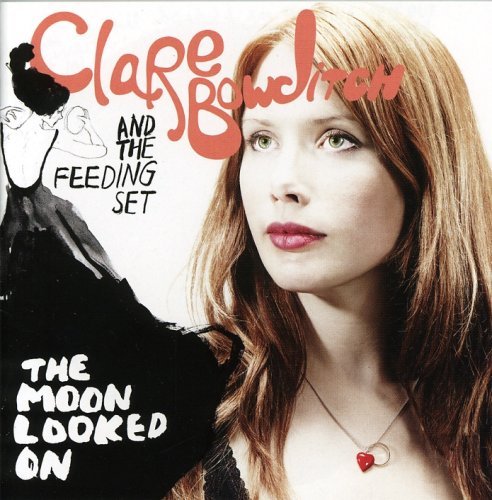
 View Artist