Song Meaning
The lyrics present a stark dichotomy, framing the narrator's existence as divinely ordained to love a specific 'you.' This isn't a gentle affection, though; it's born from a place of deep personal struggle. The narrator admits to causing sleepless nights, confessing a multitude of "hurting/broken places" that seem to be the very foundation of their capacity for this love.
The central tension lies in the narrator's self-perception as inherently designed for this one-sided devotion, yet simultaneously acknowledging the damage they carry. They declare a refusal to "fight" or "win," suggesting a passive acceptance of their role, but immediately counter with a fierce resolve: "will not live a little life." This implies that while their love might be a burden or a consequence of their brokenness, it's also tied to a profound, unyielding sense of self.
The most striking aspect is the cyclical, almost fatalistic framing of their purpose. The opening and closing lines, "God made people like me to love people like you," act as a powerful, unshakeable thesis. It's a declaration that their very being is defined by this connection, regardless of the personal cost or the impact on the beloved. The admission of keeping the other person awake, juxtaposed with the divine mandate, creates a poignant and complex portrait of love intertwined with suffering.
This writing is effective because it grounds an abstract concept of divine purpose in raw, relatable vulnerability. The narrator isn't just stating a belief; they're revealing the personal pain that fuels it, making the pronouncement of their destined love feel both heavy and intensely sincere. The contrast between the grand, cosmic design and the intimate, messy reality of "broken places" is what gives these lyrics their emotional weight.
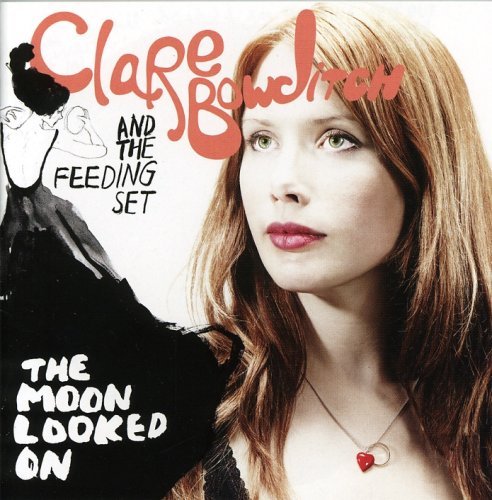
 View Artist