Song Meaning
The narrator envisions their death not as an end, but as a vibrant transition. They desire a lively "batucada" – a percussive, celebratory musical style – to escort them to their "última morada," their final dwelling. This isn't a somber farewell; it's a spirited send-off, filled with the sounds of a guitar and the voices of people singing their song in the streets.
The core tension lies in the contrast between the finality of death and the joyous, communal celebration the narrator craves. They actively reject sorrow, wishing for happiness in heaven and a lack of longing for earthly pleasures. This perspective reframes death as a release into a more fulfilling state, rather than a loss.
The most striking craft element is the deliberate juxtaposition of "morrer" (to die) with "batucada" and "felicidade" (happiness). The lyrics actively build a scene of communal joy around the act of dying, using sensory details like the "acordes de um violão" (guitar chords) and the "povo pelas ruas cantando" (people in the streets singing). This creates a powerful image of life affirming itself even in the face of death.
This approach is effective because it subverts typical expectations of mourning. Instead of focusing on grief or the void left behind, the lyrics offer a vision of continued life and celebration, albeit in a different realm. The narrator's explicit wish to feel no "saudade" (longing/nostalgia) for life's beauties emphasizes their desire for peace and contentment beyond earthly attachments.
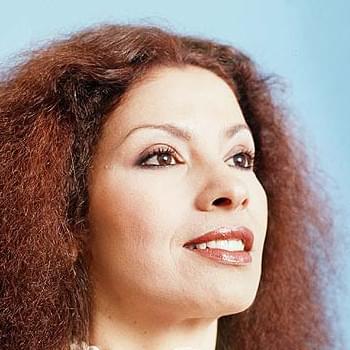
 View Artist