Song Meaning
The lyrics to "Macunaíma" plunge us into a vibrant, mythic adventure. It's a tale of a shapeshifting hero, love, loss, and a grand, almost cosmic departure. The opening and closing lines frame the entire narrative with a powerful declaration: "Vou-me embora... virar constelação." This isn't just leaving; it's a transformation into something eternal.
At its core, the narrative seems driven by a cycle of connection and detachment, power and vulnerability. Macunaíma, a figure of many identities ("indio, branco, catimbeiro"), experiences both profound love with Cy, "a rainha mãe do mato," and significant loss. The lyrics mention a "maldição" and the repeated motif of losing precious items—a talismã and a pedra—which sends him "a vagar." This constant push and pull between engagement with the world and its inherent pains creates a poignant tension.
The genius here lies in the lyrical compression, presenting an epic saga in a series of vivid, almost cinematic flashes. We get glimpses of "milagres do sertão" and Macunaíma's cunning, as he "Mata a cobra." The swift progression through events—love, curse, loss, wandering, salvation, battle—creates a sense of a destiny unfolding. This rapid-fire storytelling, coupled with the rich, folkloric imagery, makes the listener feel like they're hearing an ancient legend retold, full of wonder and consequence.
Ultimately, these lyrics resonate because they tap into a universal yearning for meaning beyond earthly struggles. Macunaíma's journey, marked by triumphs and heartbreaks, culminates not in a simple ending, but in a transcendent escape. The repeated promise to "virar constelação" transforms personal pain into cosmic significance, suggesting that even after all the battles and losses, there's a grander, more enduring form of existence. It's a powerful statement about finding peace through ultimate transformation.
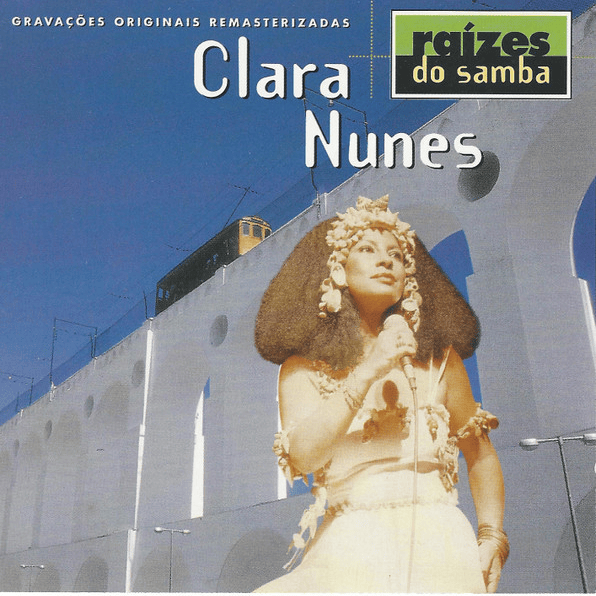
 View Artist