Song Meaning
The lyrics paint a stark portrait of a man grappling with his past, overheard in a moment of vulnerability. He claims justification for his past actions, stating "he was right by being wrong," a phrase that immediately introduces a disquieting paradox. This suggests a deep-seated internal conflict, where his perceived righteousness stems from a place of error or harm.
The central tension emerges from the juxtaposition of this man's "wounded past" and "wounded child" with his assertion of being "right." The image of him lifting a child who then cries highlights the potential for his strength or past actions to inflict pain, even as he frames his actions as correct. The repetition of "He was right there all along" adds a layer of tragic inevitability, implying his nature or his past mistakes are inseparable from his present self.
The most striking craft element is the recurring, almost chant-like refrain of "The Hunter." This title, repeated with variations like "Nothing but his might" and "Nothing but a man," creates a powerful, almost primal image. It seems to suggest a predatory or relentless aspect to his character, yet the contrast with "Nothing but a man" grounds this powerful image in human frailty, hinting that his "hunting" might be a desperate, perhaps self-destructive, pursuit driven by his past wounds.
These lyrics resonate because they capture the unsettling complexity of human justification, particularly when tied to past trauma. The writing forces the listener to confront the idea that "being right" can be a deeply flawed, even harmful, internal narrative. The stark, almost biblical phrasing, combined with the raw imagery of the "wounded child" and the ambiguous "Hunter," leaves a lingering sense of unease about the true nature of this man's "rightness."
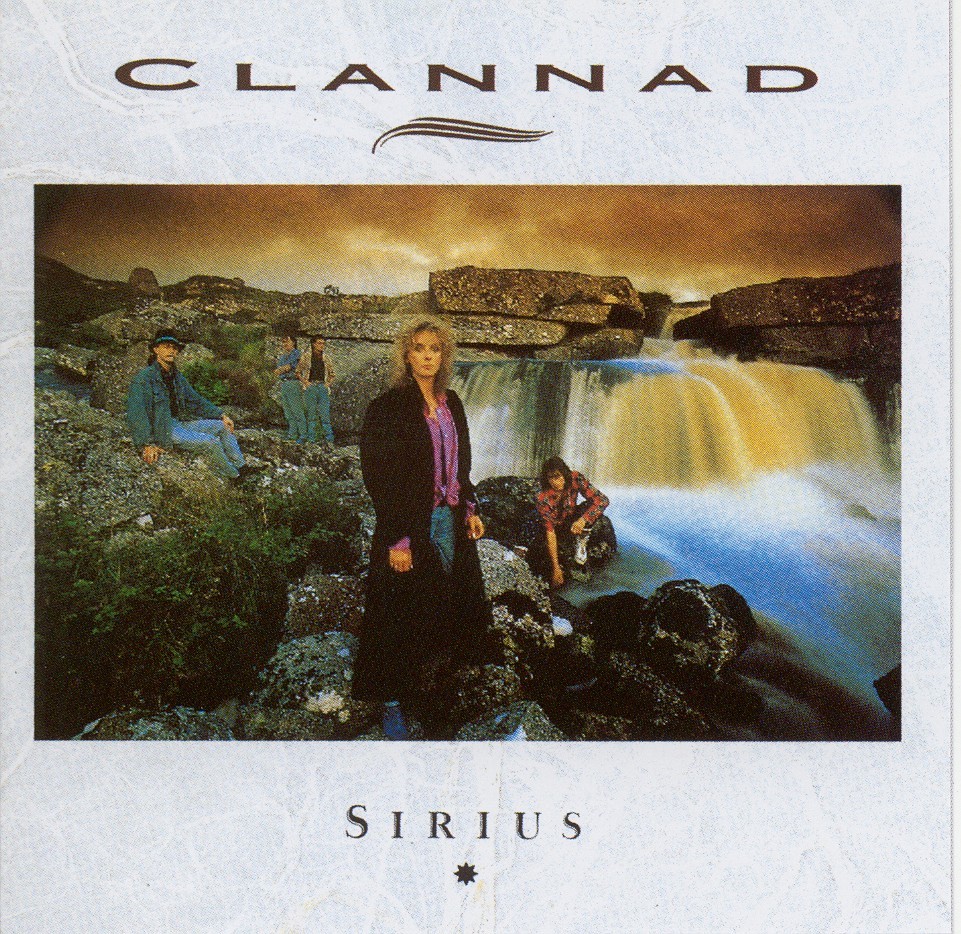
 View Artist