Song Meaning
The lyrics paint a picture of pervasive societal anxiety and a feeling of being overwhelmed by external narratives. The narrator starts by acknowledging a barrage of information – "stories," "news," "fables," and "fiction" – that collectively cast a shadow. This external noise seems to define the group as "nothings," "noughts," and "guilty," implying a collective sense of shame or inadequacy that the narrator feels needs "control."
The central tension arises from the narrator's personal experience of this external pressure. It "creeping up to my home," making them feel like "the crazy one" for being "on my own," yet paradoxically "not alone." This suggests a shared, isolating experience where individual isolation is amplified by a collective, unseen force. The fear intensifies as the narrator observes "numbers" and realizes "we're drenched in fear," with the situation described as "viral" and the year "rotten."
A striking element is the shift from passive reception of information to active resistance. Initially, the narrator feels "drenched in fear" and that "our end is near," with hopes "dash[ed]" and everything "disallowed." However, a turning point emerges with the declaration, "I'm not the bad guy." The lyrics then pivot to a defiant stance, recognizing that "they rigged the game" and that "anger and denial" are the imposed reactions. This realization fuels a desire to "take back control."
The effectiveness of these lyrics lies in their portrayal of a gradual awakening from a state of passive victimhood to active defiance. The repetition of "disallowed" underscores the feeling of oppression, while the final questions, "When do we turn the tables / And take back control," encapsulate a powerful, shared yearning for agency. The narrator moves from feeling like a pawn in a larger, unseen game to recognizing the possibility of reclaiming power, making the emotional arc resonate with anyone feeling cornered by circumstances.
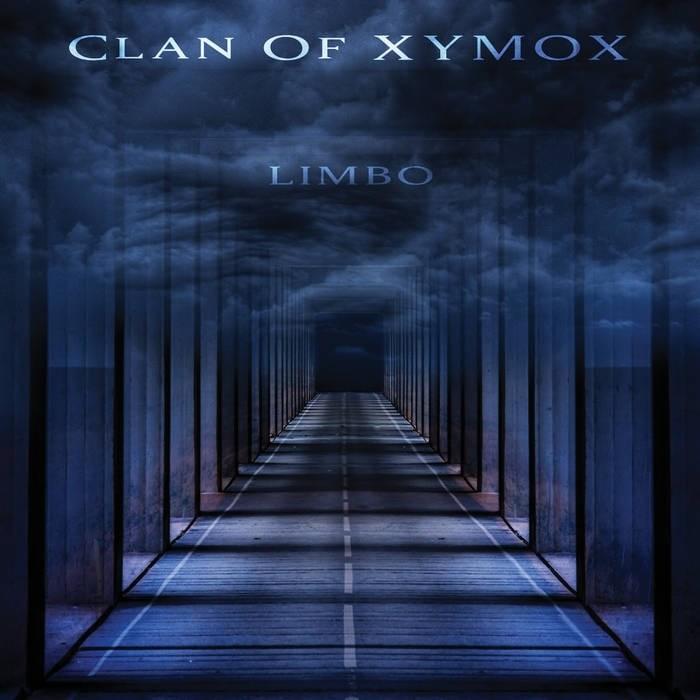
 View Artist