Song Meaning
The lyrics paint a stark, apocalyptic vision where the sun itself is dying, signaling the absolute end of all existence. The narrator witnesses this cosmic event with a sense of grim inevitability, stating, "For I have seen the death of the sun." This isn't a gradual decline but a sudden, violent end, described as "savage fury" and a "molten globe" that will "torch the sky." There's no room for appeal or intervention; "Fates accept not judge or jury," emphasizing a complete lack of control over this ultimate demise.
The dominant emotional tone is one of profound despair and regret, amplified by the chorus's confession: "I see my life and I have sinned." The impending doom is inextricably linked to a personal reckoning, suggesting that humanity's final moments are also a time for confronting past transgressions. The lyrics declare, "It's too late to change our ways," cementing the idea that this end is both externally imposed and internally earned. The repetition of "We are coming to the end" hammers home this inescapable fate.
The imagery of "solar winds that parch the land" and "minions are wasted by Satan's hand" blends cosmic catastrophe with religious damnation. This fusion creates a sense of a divinely ordained punishment, where the natural world's collapse is intertwined with spiritual judgment. The phrase "man has seen his final days" serves as a chilling, definitive pronouncement, stripping away any hope of survival or redemption. The repeated "Yeah, yeah, yeah" in the outro feels less like an affirmation and more like a hollow, resigned sigh in the face of oblivion.
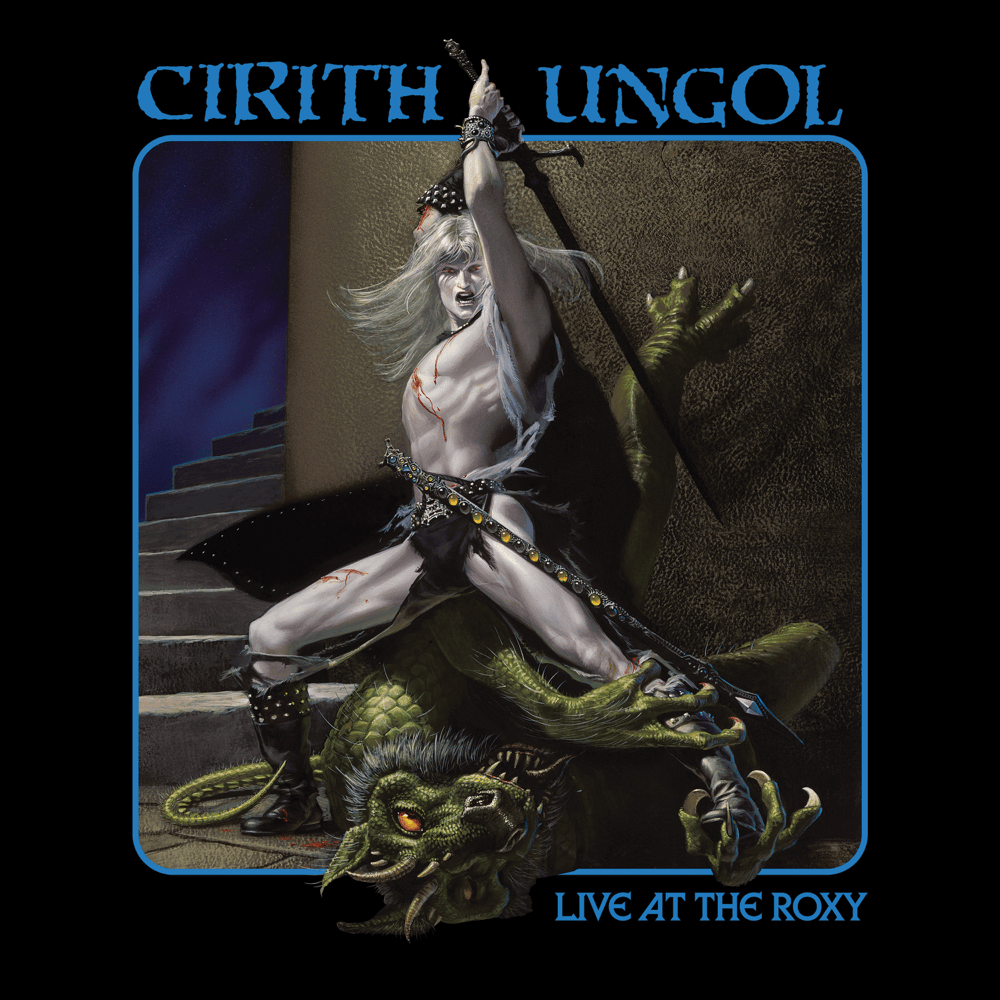
 View Artist