Song Meaning
The lyrics paint a stark picture of cosmic annihilation, where the sun's demise is not just an astronomical event but a judgment on humanity. The opening lines establish a sense of inevitable doom, with "savage fury" and "not judge or jury" suggesting a force beyond human control or appeal. The narrator's pronouncement, "For I have seen the Death of the Sun," positions them as a witness to this ultimate catastrophe, imbuing the event with a profound, almost prophetic weight.
The core tension lies in the inescapable finality and the narrator's retrospective guilt. The repetition of "We are coming to the end" and "I see my life and I have sinned" creates a desperate, cyclical feeling, as if the realization of past transgressions only intensifies the dread of the present. The phrase "It's too late to change our ways" underscores a fatalistic acceptance, a belief that humanity's actions have sealed its fate long before the sun's literal end.
The imagery shifts from celestial to infernal, with "Solar winds that parch the land" and "minions are wasted by Satan's hand." This suggests a spiritual or moral dimension to the apocalypse, where the sun's death is framed as a consequence of sin, possibly even orchestrated by a malevolent force. The vision of "A molten globe will torch the sky" and "mankind bleats his final cry" is a visceral depiction of utter destruction, leaving no room for hope or redemption.
This lyrical construction is effective because it fuses a grand, cosmic event with personal, moral reckoning. The overwhelming scale of the sun's death is mirrored by the narrator's intense self-awareness of their own sins, making the external apocalypse feel like a direct, deserved consequence. The relentless rhythm and stark pronouncements create an atmosphere of dread that is both terrifying and deeply melancholic, capturing the feeling of facing an end that is both inevitable and earned.
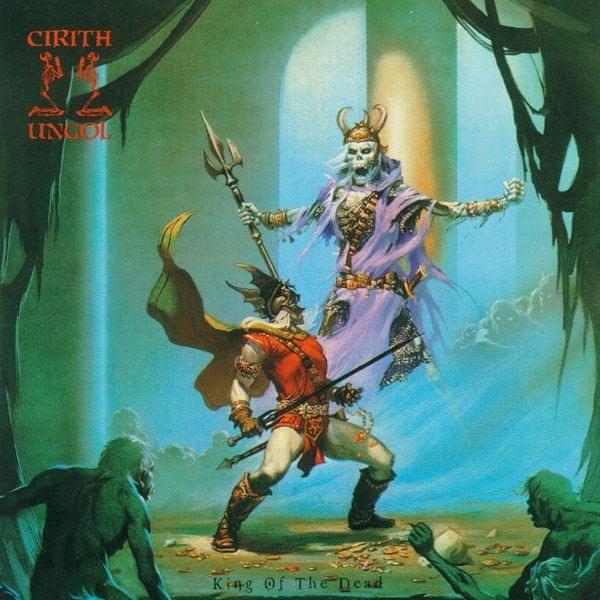
 View Artist