Song Meaning
The lyrics paint a nocturnal scene, where the "nail of the night" speaks, its hands communicating "night after night." This recurring motif suggests a persistent, perhaps burdensome, presence or message that arrives with darkness. The imagery shifts to healing with "cars," a juxtaposition that feels almost surreal, followed by a declaration that "vatos no chalos" – a distinction that implies a certain kind of person or group is involved, perhaps those who are serious or authentic.
The central tension seems to revolve around a "cross in their arms," carried "for life." This isn't just a passive burden; it's an active commitment. The repetition of "por vida - con safo" emphasizes this lifelong dedication, with "safo" implying a sense of protection, safety, or perhaps a defiant detachment from judgment. This cross is something carried through the streets, a search "without light" for its specific place, highlighting a journey or quest that is difficult and perhaps uncertain.
The most striking craft element is the interplay between the abstract "nail of the night" and the concrete imagery of "cars" and the "cross." The repetition of "de su cruz, de su cruz" at the end amplifies the focus on this central symbol, making it the ultimate destination or point of inquiry. The phrase "sanando con carros" is particularly intriguing, suggesting a modern, perhaps even mechanical, approach to mending or overcoming something, which contrasts with the spiritual weight of the cross.
This writing is effective because it creates a mood of persistent, almost ritualistic, nocturnal activity driven by a deep, lifelong commitment. The ambiguity of the "nail of the night" and the nature of the "cross" invites the listener to project their own understanding of struggle, dedication, and search onto the narrative. The specific, yet somewhat enigmatic, details like "vatos no chalos" and "sanando con carros" ground the abstract emotional weight in a distinct, if mysterious, reality.
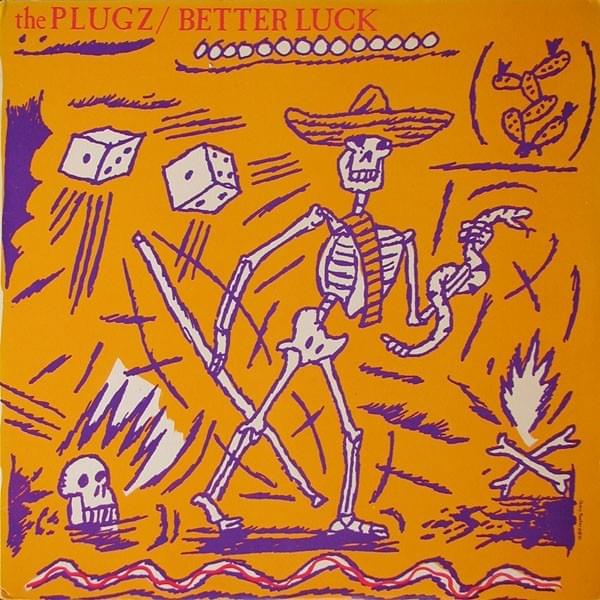
 View Artist