Song Meaning
The lyrics present a stark, almost morbid form of self-consolation. The opening lines, "It's not so bad when you think about it / It's not so bad things could be much worse," immediately establish a tone of forced perspective. This isn't about finding genuine happiness, but rather about deflecting from personal discomfort by focusing on extreme misfortune elsewhere. The narrator seems to be actively seeking out grim anecdotes to frame their own situation as relatively benign.
The core of the song lies in the repeated refrain: "It's important to have little things like that / To compare your life with." This isn't about empathy or shared human experience; it's a transactional view of suffering. The narrator collects cautionary tales and tragic outcomes – a man needing a kidney who dies and is then hounded for his money, a missionary beaten to death, a man electrocuted trying to swing on a wire – not to learn from them, but to use them as a psychological buffer. The repetition emphasizes how central this coping mechanism is to the narrator's worldview.
The craft here is in the stark, almost journalistic presentation of these grim vignettes. There's no emotional embellishment, just a matter-of-fact recounting of death and misfortune. The contrast between the initial setup of the kidney-needing man's fame and his subsequent demise, followed by the predatory focus on his assets, highlights a cynical view of how life and death are treated. The Tarzan reference, in particular, lands with brutal irony, turning a childhood fantasy into a fatal impulse. These aren't complex metaphors; they are blunt, shocking images designed to shock the listener into the narrator's peculiar brand of perspective.
Ultimately, the effectiveness of these lyrics stems from their uncomfortable honesty about a dark, yet perhaps common, human tendency. The narrator isn't asking for pity or offering solutions; they are simply articulating a survival strategy. By presenting these extreme examples with such detachment, the song forces the listener to confront the unsettling thought that sometimes, the only way to feel okay is to look at someone else's much worse situation. It’s a bleakly pragmatic, almost nihilistic, approach to navigating personal difficulties.
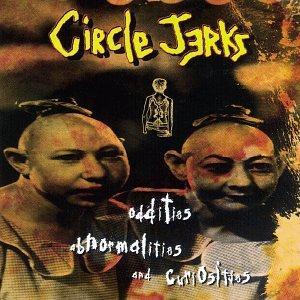
 View Artist