Song Meaning
The lyrics paint a stark picture of societal disillusionment, portraying a world where deception and greed are rampant. The opening lines, "Murderous liars hide behind lines of sheep" and "Smiling killers find it easy to sleep," immediately establish a tone of moral decay and hypocrisy. The narrator observes a system that rewards the corrupt, noting how fortunes are "Collecting their fortunes at the end of the week," suggesting a weekly cycle of exploitation. This sense of being trapped in a flawed system is amplified by the image of "sixty five on a one way street," implying a predetermined, inescapable path toward ruin.
The central tension arises from the narrator's response to this perceived injustice. The repeated refrain, "Now i've got a brick for your window," acts as a defiant, destructive gesture against the established order. This isn't a plea for change, but a violent assertion of discontent against the "Highrise hogwash" and the indifference of those who "nobody cares." The lyrics suggest a breaking point where passive observation turns into active, albeit destructive, rebellion against the perceived phoniness and corruption.
One of the most striking craft elements is the juxtaposition of seemingly innocuous objects with aggressive intent. The "brick for your window" and "seven and a half for your tv screen" are not grand revolutionary tools, but everyday items weaponized against symbols of societal control and superficiality. This choice grounds the anger in relatable, mundane objects, making the rebellion feel both personal and visceral. The phrase "state machine" further solidifies the target of this frustration, framing the conflict as an individual against an impersonal, oppressive system.
Ultimately, these lyrics resonate because they tap into a raw frustration with perceived societal falsehoods and the feeling of being alienated within them. The narrator's anger, expressed through destructive acts against symbols of wealth and media, feels like a visceral reaction to a world where "Things aren't what they seem." The final lines, describing the narrator feeling "like a freak" after being "Alienate me now," encapsulate the isolating effect of this disillusionment, making the act of throwing a brick a desperate, albeit destructive, attempt to assert existence and reject conformity.
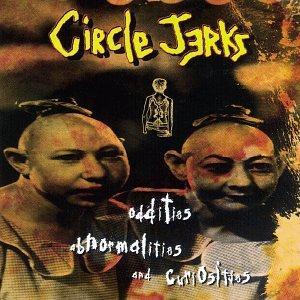
 View Artist