Song Meaning
This track captures the intense yearning of a high school girl navigating the confusing path to adulthood and romantic experience. She observes a boy on the school bus, feeling an immediate, shy attraction that leaves her flustered due to her all-girls school environment. The lyrics paint a picture of someone feeling left behind, watching friends pair off while she remains hesitant, unsure of how to even begin a relationship. This sets up a central tension: the desire to grow up and experience love versus a paralyzing shyness and fear of the unknown.
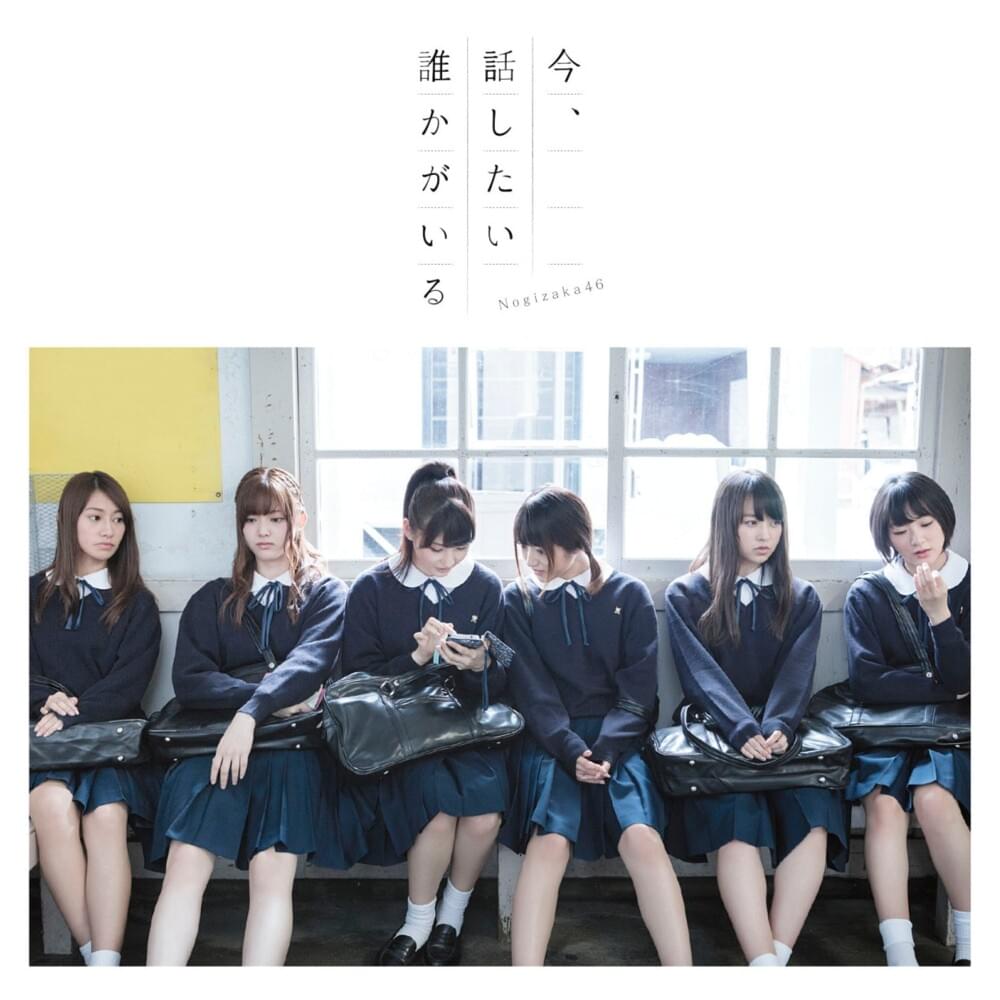
The narrator repeatedly calls out for a "shortcut to adulthood," a plea that underscores her impatience with the slow, uncertain process of growing up. She expresses a desire to shed her "pure innocence" and simply "become normal," suggesting a feeling of being out of step with her peers. This is contrasted with the imagery of her school uniform, a symbol of her current, protected status, which she wishes to "take off" and move beyond. The lyrics hint that this hesitation is partly fueled by a desire to be a "good child" for her parents, creating an internal conflict between personal desires and perceived expectations.
The most striking aspect is the shift in the second half, where the narrator moves from passively wishing for a shortcut to actively seeking to break free. The desire to dye her "set black hair" a different color signifies a conscious effort to change and "break out of her shell." This proactive stance, wanting to "walk on my own two feet" rather than rely on advice, shows a burgeoning independence. The repeated desire to "get hurt a little" reveals a mature understanding that growth often comes through difficult experiences, a far cry from her earlier passivity.
Ultimately, the effectiveness of these lyrics lies in their raw, relatable portrayal of adolescent insecurity and the powerful urge for self-discovery. The narrator's journey from shy observer to someone determined to forge her own path, even if it means facing pain, resonates deeply. The contrast between the "pure innocence" she wants to discard and the "experience" she craves highlights the universal struggle of transitioning from youth to a more self-defined adulthood.
 View Artist