Song Meaning
The lyrics paint a picture of late summer stillness, a quiet that settles after the heat has passed, leaving only the night. The narrator finds themselves frozen, not walking, just staring blankly. This inertia is mirrored in a "rusted sculpture" being "wettened by acid rain," a striking image that feels both decaying and exposed. The sculpture's face, eerily resembling the narrator's, suggests a profound self-recognition in this state of disrepair, a feeling amplified by the impending darkness and a confession of weakness in resisting what has always been.
The central tension arises from a deep-seated imitation and a struggle with self. The narrator is "mimicking you, which only I know," a secret act of emulation tied to "half-drunk alcohol left in the dawn." This isn't just about missing someone; it's about adopting their essence, perhaps as a coping mechanism or a desperate attempt to fill a void. The "cicada's empty shell" seems to echo this sentiment, a discarded husk that once held life, now silently communicating a similar sense of past existence and present emptiness.
A particularly potent piece of craft is the juxtaposition of the decaying external world with the internal emotional landscape. The "rough portrait" that "glitters in this room without air conditioning" captures a suffocating, almost feverish intensity. The idea that "tone is coming in just the right amount to that narrow square" is abstract but suggests a confined space where emotions or memories are intensely focused, perhaps overwhelming. The narrator's assertion that there's "no need to hold back tears" directly contrasts with the earlier stoicism, indicating a potential breaking point or a grudging acceptance of vulnerability.
This piece resonates because it captures a specific, almost claustrophobic feeling of being stuck in the aftermath of something – be it a season, a relationship, or a personal struggle. The lyrics don't offer easy answers; instead, they immerse the listener in a mood of quiet desperation and self-reflection. The subtle shift from "stop walking" to "start walking" at the very end, though brief, hints at a potential, albeit uncertain, movement forward from this stagnant state, making the preceding inertia all the more palpable.
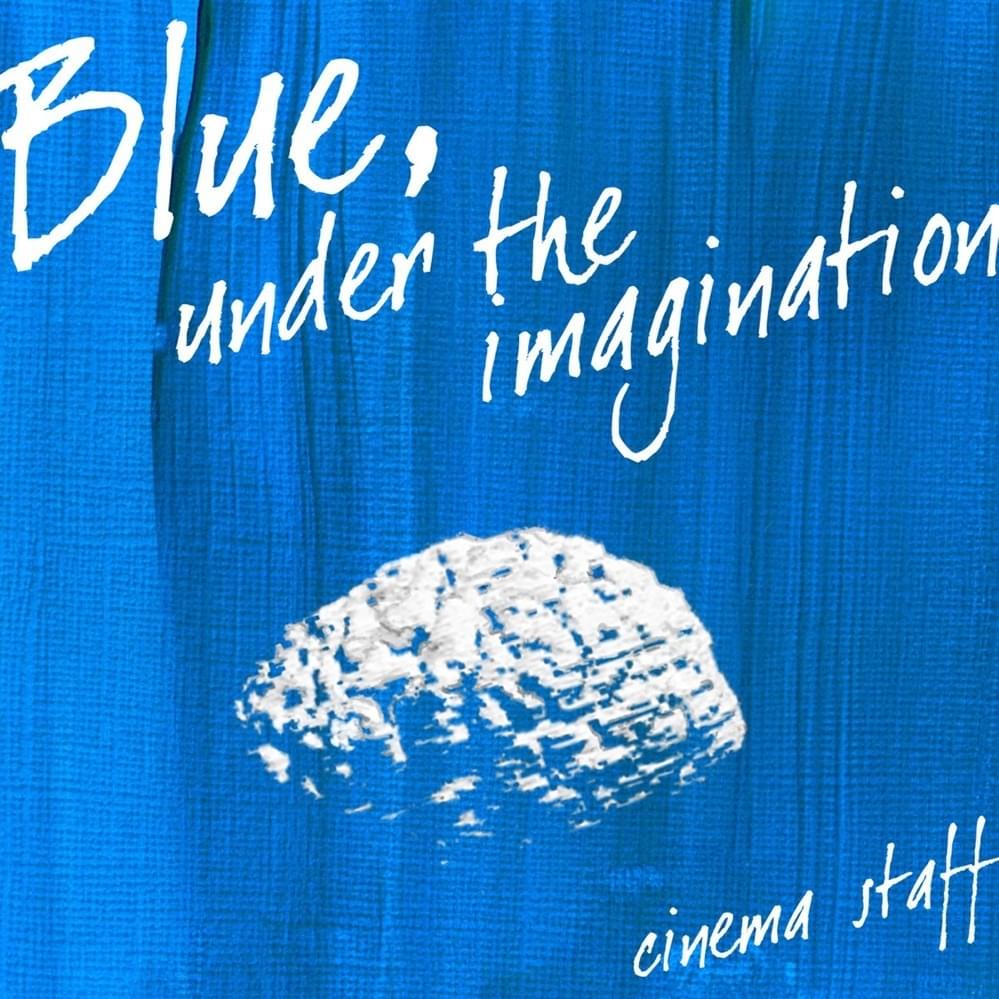
 View Artist