Song Meaning
The lyrics paint a stark picture of stagnation, where the narrator is trapped in a cycle of unfulfilled promises like "someday somewhere" and "surely eventually." Each attempt to escape this rut, even through shallow sleep, leads back to the same unchanging reality, symbolized by the "same ceiling." This sense of being stuck is amplified by a litany of internal struggles: worthless complaints, meaningless anxieties, envy, and the hollow void that follows. The past is a burden of regret, a collection of memories that can't be salvaged, all playing out like a never-ending cult film. The narrator acknowledges a life built on deception, realizing that those ahead offer no assistance, leaving them to navigate this difficult path alone.
The central tension arises from the conflict between this paralyzing inertia and a burgeoning desire for change. The narrator feels unable to move forward, despite recognizing the futility of their current situation. Phrases like "can't believe myself" and "can't move even though I know" highlight this internal paralysis. The lyrics suggest a deep-seated self-doubt that prevents action, even when the need for it is clear. This internal battle is further emphasized by the contrast between the external world, which offers no help, and the narrator's own internal landscape of regret and anxiety.
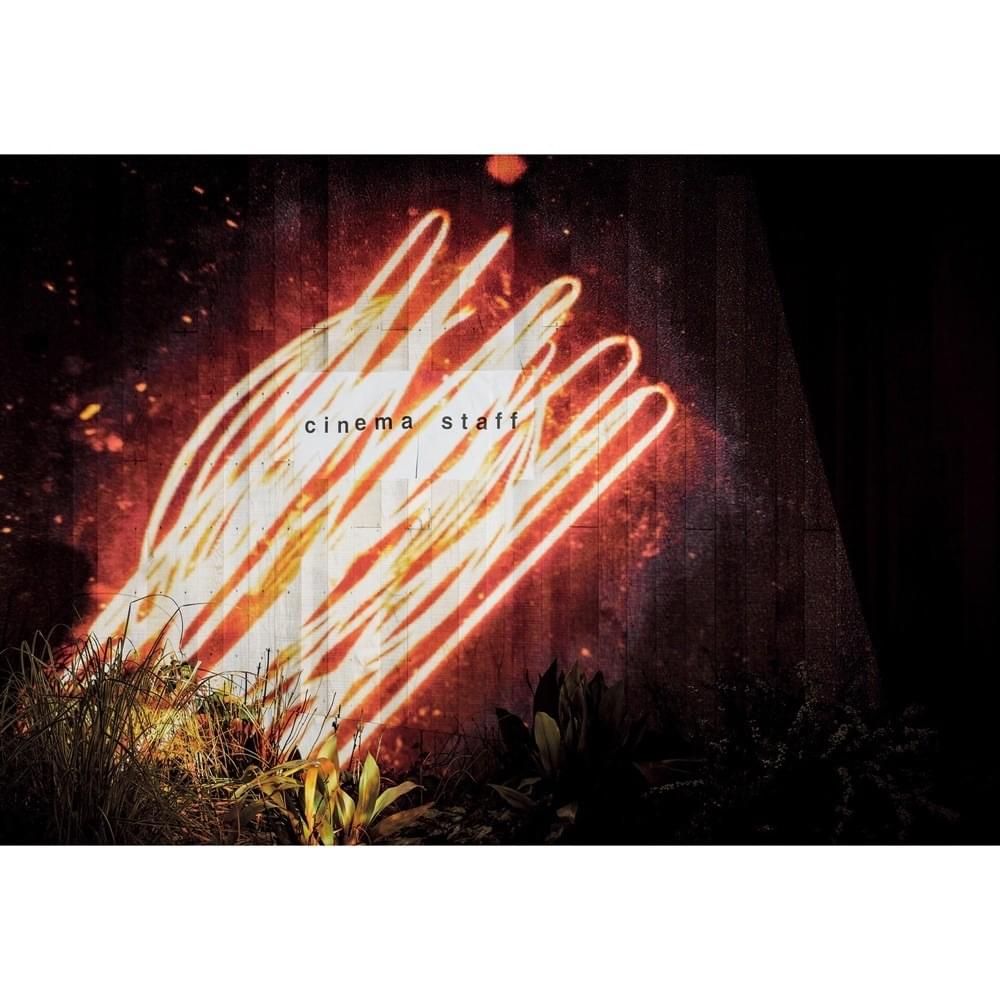
A striking element is the recurring imagery of color and time, specifically the "red of dawn" and the "orange of dusk." These are not passive observations but active invitations to "go and meet them." This suggests a deliberate choice to confront the unknown and embrace new beginnings, symbolized by the dawn's red, and to find personal agency, represented by walking towards the dusk's orange with one's own feet. The act of discarding "collected melancholy" with "cold soup" is a powerful, if slightly absurd, image of shedding past burdens. The contrast between the external cold and the internal warmth of "thoughts" that cannot be surrendered to death underscores a fierce will to live and preserve one's inner self.
Ultimately, the effectiveness of these lyrics lies in their raw portrayal of relatable despair and the quiet, determined fight against it. The narrator's struggle with self-doubt and the feeling of being left behind are rendered with unflinching honesty. The shift from passive acceptance to active pursuit of change, marked by the embrace of dawn and dusk, offers a glimmer of hope. The final assertion that "heat is born" from sowing seeds, even without knowing when, provides a powerful, albeit abstract, affirmation of life's potential for renewal and the enduring strength of the human spirit against overwhelming darkness.
 View Artist