Song Meaning
The lyrics paint a picture of someone yearning for a lost connection, attempting to recreate a past spark. There's a sense of building something intricate, like layering "음" (sounds/notes) into a "하모니" (harmony), mirroring the effort to recapture a feeling. The narrator admits to actively seeking "the spark you left" and trying to "make my own," suggesting a proactive, albeit perhaps futile, attempt to reignite a bond. This effort is tinged with a hopeful, almost magical thinking, as they "hope you'd get it by telepathy."
The core tension lies in the painful dichotomy of wanting to offer comfort and connection while simultaneously being the one who has been left behind. The repeated plea, "Let me love you like a melody," and the offer of being "A company when you're alone," highlight a desire to be present and supportive. Yet, this is immediately contrasted with the painful realization, "It hurts to be / The one that got away." This creates a poignant push-and-pull between offering solace and experiencing the sting of absence.
The craft here leans heavily on musical metaphors to articulate emotional states. The idea of love as a "melody" and the narrator as "harmony" is central, suggesting a desire for a beautiful, integrated connection. The phrase "Easy in polyphony" implies a complex, layered relationship that should ideally flow smoothly. However, the verses introduce a more chaotic internal experience, with "호르몬이 달빛에 반응 하는지 / 기억들이 날 가만 두지 않아" (Do hormones react to the moonlight? / Memories won't leave me alone), leading to a "Hallucinate" state. This contrast between the desired harmonious connection and the disorienting internal reality is striking.
Ultimately, the effectiveness of these lyrics stems from their raw portrayal of longing and the bittersweet ache of unrequited or lost intimacy. The blend of Korean and English creates a unique texture, while the musical analogies beautifully capture the desire for a perfect, resonant bond. The narrator’s vulnerability in admitting the pain of being "the one that got away" while still offering to be a "harmony" makes the plea for connection deeply resonant and emotionally charged.
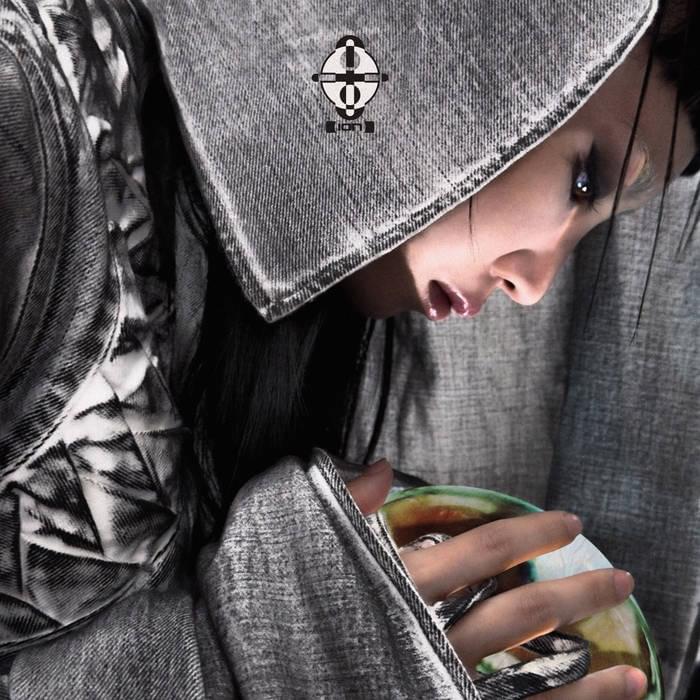
 View Artist