Song Meaning
The narrator is trapped in a relationship that feels more like captivity than affection. The opening lines immediately establish a tone of distress, painting a picture of being held "hostage" and bound by "chains." This isn't a gentle hold, but a forceful one, devoid of any "shred of conscience." The speaker feels violated, their senses stolen and pride stripped away, a stark contrast to the supposed joy of love. The repeated plea, "Tell me this ain't love," underscores a desperate need for external validation of their painful reality.
The central tension lies in the dissonance between the abuser's outward actions and the narrator's internal experience. They offer "sweet things" and a tempting "kiss," gestures that superficially resemble affection. However, the narrator's fundamental understanding of love, even with limited experience ("I don't know much about it"), is that it should bring "happiness." This core belief clashes violently with the current reality of pain and suffering, creating an unbearable conflict.
The most striking craft element is the persistent use of "tainted embrace." This phrase powerfully juxtaposes the physical closeness of a hug or embrace, typically associated with comfort and love, with the idea of corruption and poison. It suggests that even the most intimate gestures in this relationship are harmful. The repeated invocation of "sweet God above" serves as a desperate cry for help, a plea to a higher power to confirm that this destructive dynamic is indeed not love.
What makes these lyrics hit so hard is their raw, unvarnished depiction of emotional abuse disguised as intimacy. The narrator’s simple, almost childlike definition of love as something that "feel[s] good" highlights the profound disconnect from their current suffering. The repeated, almost frantic questioning and pleas for confirmation reveal the psychological toll of being gaslit and manipulated, making the desire for freedom from this "tainted embrace" palpable and urgent.
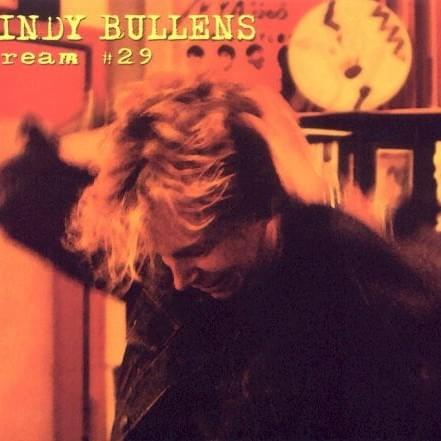
 View Artist