Song Meaning
This song paints a picture of unwavering optimism and resilience, even in the face of conflict. The opening lines establish a core belief: the joy of life comes from simply being alive, possessing love, shelter, dreams, and reasons to sing. It’s a declaration that no danger can truly halt this fundamental appreciation for existence. The narrator asserts that the essence of living is found in these basic, yet profound, elements.
The central tension emerges in the juxtaposition of "armas no chão" (weapons on the ground) and "flores nas mãos" (flowers in hand). This imagery suggests a transition or a choice between conflict and peace, yet the underlying principle remains the same: the value of being alive. Even when "prontos prá lutar" (ready to fight), the ultimate goal is to live in peace, highlighting a commitment to a peaceful existence that transcends immediate struggle.
The most striking aspect is the concept of the "soldado da paz" (soldier of peace). This figure is presented as invincible, not because they avoid conflict, but because their strength is derived from sacrifice and the passage of time. The lyrics state, "quanto mais se sacrifica a vida, mais a vida e o tempo são os seus aliados" (the more life is sacrificed, the more life and time are their allies). This suggests that enduring hardship and dedicating oneself to peace, even at personal cost, ultimately strengthens the soldier of peace, making them more formidable.
This lyrical construction is effective because it reframes the idea of struggle. Instead of focusing on victory through force, it emphasizes perseverance and the intrinsic value of life as the ultimate weapons. The repetition of the core message about the good of living and the invincibility of the peace soldier reinforces this powerful, almost spiritual, conviction that peace, when deeply held, cannot be truly defeated.
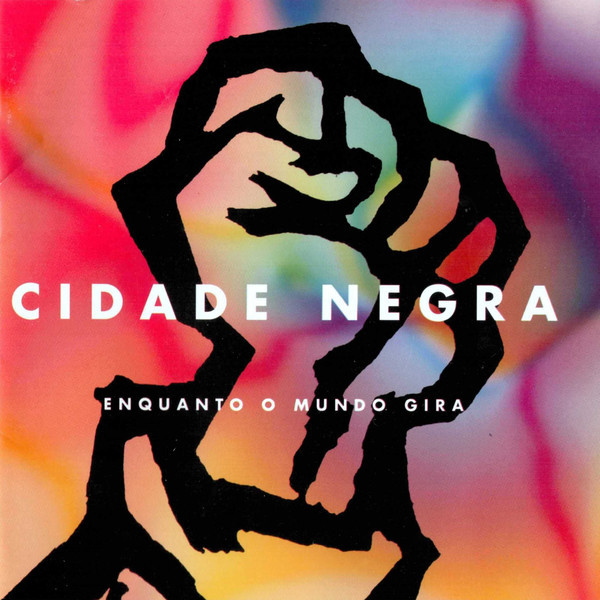
 View Artist