Song Meaning
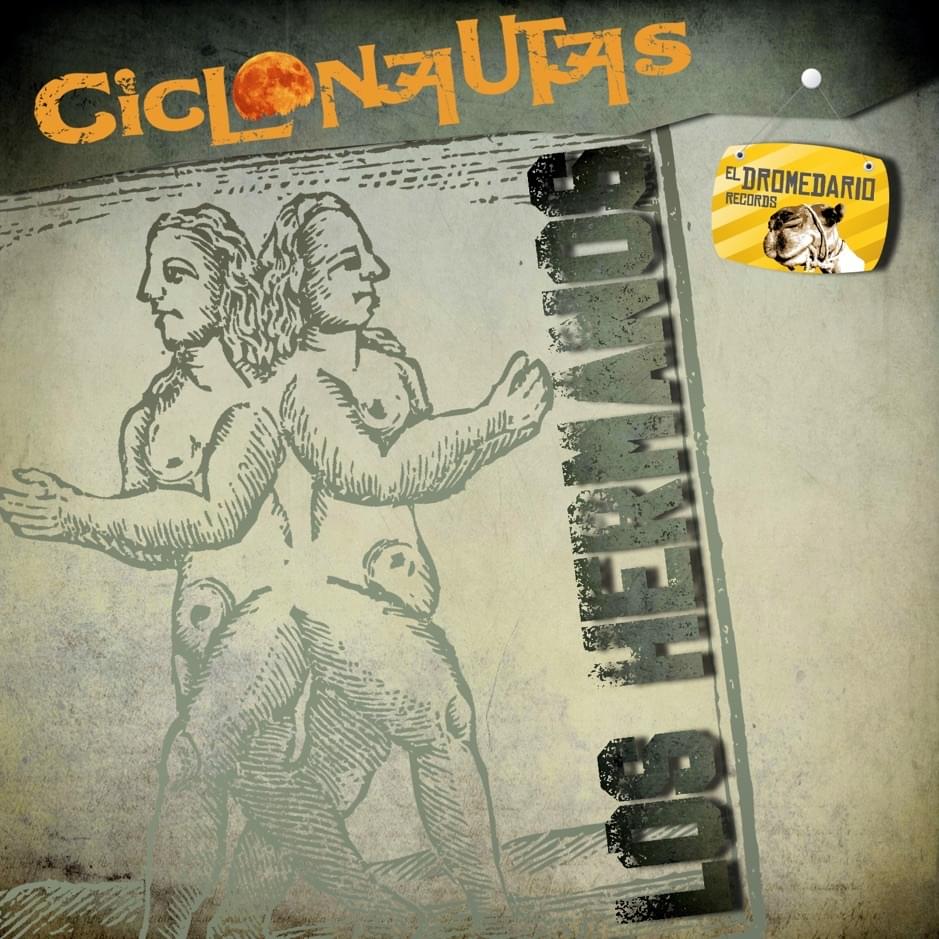
The lyrics paint a vivid picture of two brothers, their shared history marked by a peculiar blend of ambition and inherent wildness. They were driven by a search for something sweet, metaphorically represented by 'la miel,' yet their methods involved 'pateando los tachos' – kicking cans – suggesting a disruptive or perhaps chaotic approach. Despite their initial clean hands, there was an undeniable urge to 'ensuciar las zapatillas,' to get dirty and engage with the messiness of life.
The narrator highlights a complex dynamic between the brothers, noting they drank from separate jugs but always clinked glasses, a gesture of unity that was simultaneously marked by 'uña y barro' – nail and mud. This imagery suggests a bond that, while present, was never entirely clean or simple, hinting at underlying tensions or a shared, perhaps rough, past. They possessed the 'virtud de los perros mansos' – the virtue of tame dogs – but with a crucial caveat: they never forgot 'a morder a quien y cuándo,' to bite whom and when, implying a latent capacity for aggression or retribution beneath a seemingly docile exterior.
A central, recurring image is the 'árbol naranjo' – an orange tree – which serves as a source of nourishment for 'el detonador de los mil carajos' – the detonator of a thousand curses. This juxtaposition is striking: a life-giving tree feeding something destructive. The brothers seem to operate by 'desfigurando normalidades' – distorting normalities – and teaching 'libertades' when not to fail. This suggests a deliberate subversion of convention, a unique moral compass guiding their actions, even if it leads them to chaos.
The narrative culminates in a scene of reunion marked by contradiction: 'Sucia la voz, limpio el abrazo' – dirty voice, clean embrace. This final image encapsulates the enduring, perhaps paradoxical, nature of their brotherhood. Despite the messiness of their lives and voices, their embrace remains pure, a testament to a bond that can withstand the 'mil carajos' they leave behind. The story of the brothers is inextricably linked to the life-giving, yet potentially destructive, force of the orange tree, a cycle of creation and disruption.