Song Meaning
These lyrics plunge us into a raw, vulnerable moment, seemingly at the cusp of dawn. The speaker pleads for an embrace, urging "Que pase el temblor" (that the tremor pass), suggesting a deep internal unease or physical distress. But this plea for comfort is immediately undercut by a visceral, almost violent rejection of the morning: "El puto sol" (the fucking sun).
The central tension here stems from a profound internal conflict. The speaker acknowledges a "deber" (a duty or obligation) that involves both soaring and falling, yet also admits to a "sinquerer" (an unwillingness or lack of desire). This internal tug-of-war manifests in unsettling physical imagery: "Jugar con calambres" (playing with cramps) and the stark image of "Apretar la cien Y sangrar" (pressing the temple and bleeding), painting a picture of self-inflicted pain or extreme mental anguish.
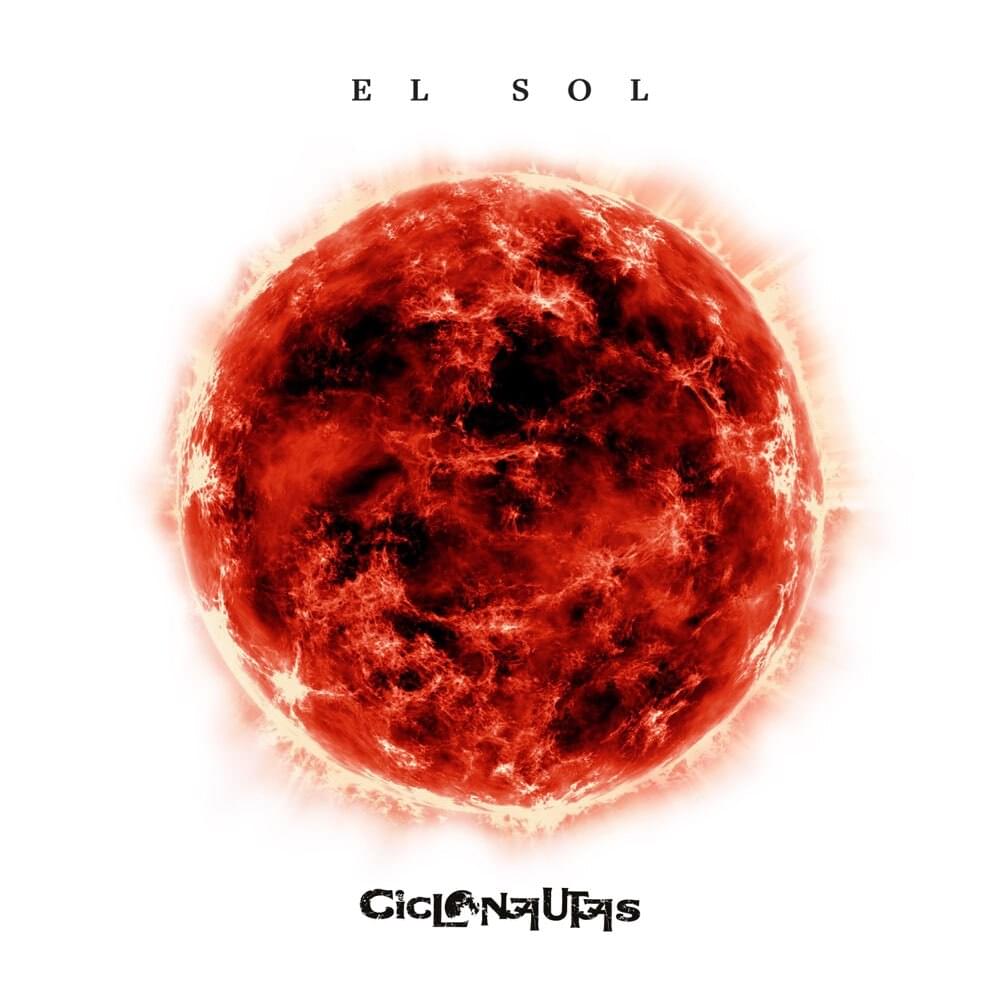
The most striking craft element is the transformation of the sun itself. Initially, its arrival is a simple statement: "Ya ha salido el sol" (the sun has already risen). But this neutral observation quickly morphs into an expletive-laden curse, repeated with increasing intensity: "El puto sol / El sol / Puto sol." This isn't just a sunrise; it's an unwelcome, almost antagonistic force, signaling an end to the night's potential solace and forcing the speaker to confront their inner turmoil in the harsh light of day.
Ultimately, these lyrics are effective because they refuse easy comfort. The desperate pleas for an embrace are juxtaposed with shocking acts of self-abasement, like "Arrodillame" (kneel me) and the jarring "Escupeme bien" (spit on me well). This raw, unvarnished language, combined with the relentless, almost obsessive repetition of the cursed sun, creates a potent sense of inescapable dread and profound vulnerability, leaving the listener with a chilling understanding of the speaker's torment.
 View Artist