Song Meaning
The lyrics paint a stark picture of separation and disillusionment, setting up a spatial and emotional divide between the speaker and another person. The opening lines establish this chasm: "Arriba está la jungla / Abajo estoy yo / Del lado del camino / Del otro lado vos." This physical distance mirrors a deeper disconnect, where one seems to be in a chaotic, perhaps overwhelming, "jungle" while the other is relegated to the "side of the road." The recurring image of "la nada" (nothingness) when contemplating the other person underscores a sense of emptiness or a lack of connection.
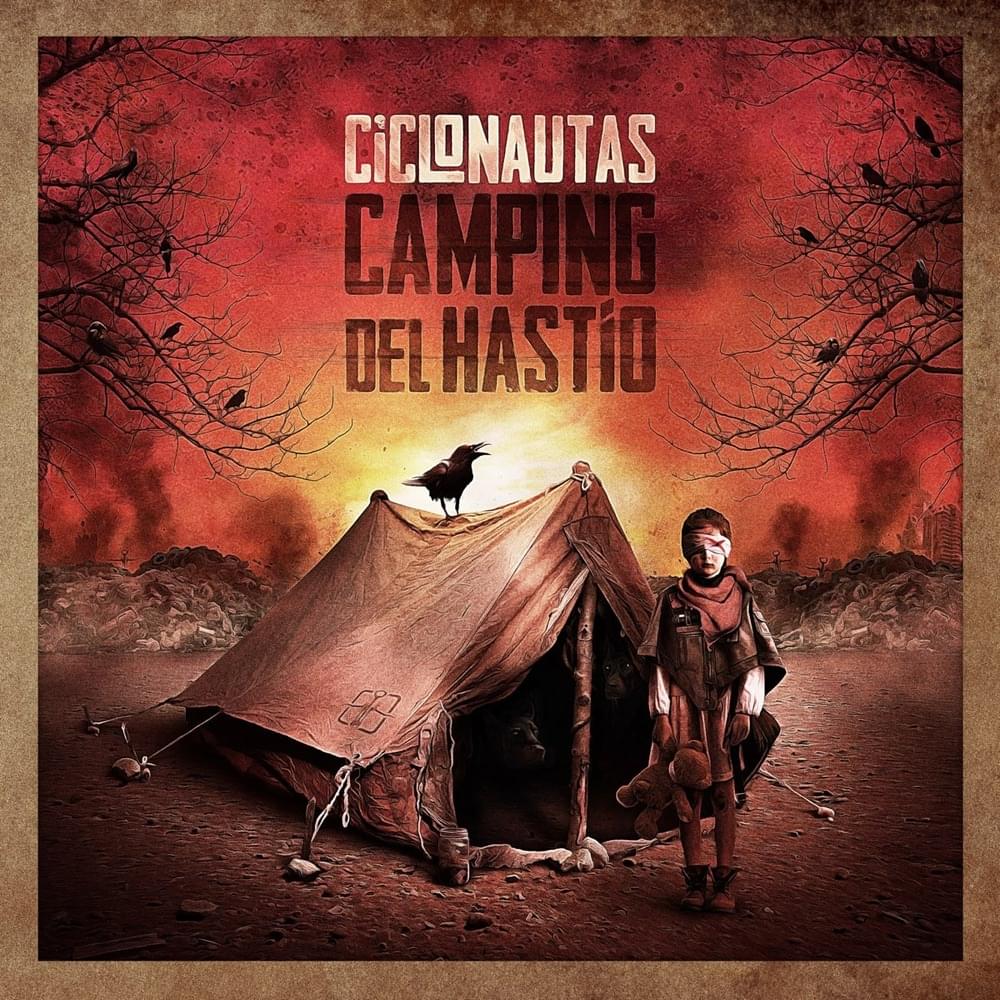
The central tension lies in the contrast between a perceived external world and the internal state of weariness and despair. The speaker oscillates between being "up" in the "clouds" and "down" on the ground, suggesting a struggle to maintain perspective or hope. This internal conflict is amplified by the arrival of "lluvia en abril" (rain in April) and a "viento senil" (senile wind) at the "camping del hastío" (campsite of weariness). This setting becomes a potent metaphor for a place where joy and vitality have withered, leaving only a pervasive sense of boredom and existential fatigue.
The most striking aspect of the craft is the personification of abstract concepts and the bleak, almost suffocating imagery. The "senile wind" and the "campsite of weariness" are not just descriptive; they imbue the scene with a sense of decay and resignation. The narrator's actions – "Pinto el cielo de gris" (I paint the sky gray) and wishing the thunder to protect it – reveal a deliberate embrace of the bleakness, a surrender to the overwhelming "hastío." The phrase "Murió el tiempo al vivir" (time died while living) is a particularly potent encapsulation of this feeling, suggesting a life lived without progression or meaning.
Ultimately, these lyrics resonate because they articulate a specific, yet universally understood, feeling of being stuck and drained. The careful construction of contrasting spaces, the personification of a decaying environment, and the narrator's resigned acceptance of the gloom create a powerful emotional landscape. It’s the raw portrayal of a spirit worn down, finding a strange, bleak comfort in the "campsite of weariness" that makes this piece so impactful.
 View Artist