Song Meaning
The lyrics ponder the purpose of existence, framed by a specific, tender moment. The narrator receives a "rosa pequenina" (tiny rose) from a "homem lindo" (beautiful man), which sparks a profound realization about life's potential. This gift seems to illuminate a path, suggesting that even the "menino infeliz" (unhappy boy) within them can find brightness.
The central tension lies between a sense of existential questioning and the simple, transformative power of connection and beauty. The narrator grapples with the "matéria vida era tão fina" (life's matter was so fine), implying a delicate, perhaps fragile, existence. Yet, the act of receiving the rose and the shared gaze offer a counterpoint to this fragility, hinting at a deeper meaning found in shared experience.
The most striking image is the "cajuína cristalina em Teresina" (crystalline cajuína in Teresina). This clear, pure beverage, viewed through an "intacta retina" (unblemished retina), serves as a metaphor for clarity and unspoiled perception. It's through this pristine lens that the narrator sees the potential for their lives to be "ilumina" (illuminated), even amidst past unhappiness, represented by the "lágrima nordestina" (Northeastern tear).
This lyrical passage resonates because it grounds abstract existential questions in a concrete, sensory experience. The "tiny rose" and the "crystalline cajuína" are not just objects but catalysts for profound emotional and philosophical shifts. The writing suggests that meaning isn't found in grand pronouncements, but in the quiet, clear moments of shared observation and simple gifts, offering a gentle, hopeful perspective on life's purpose.
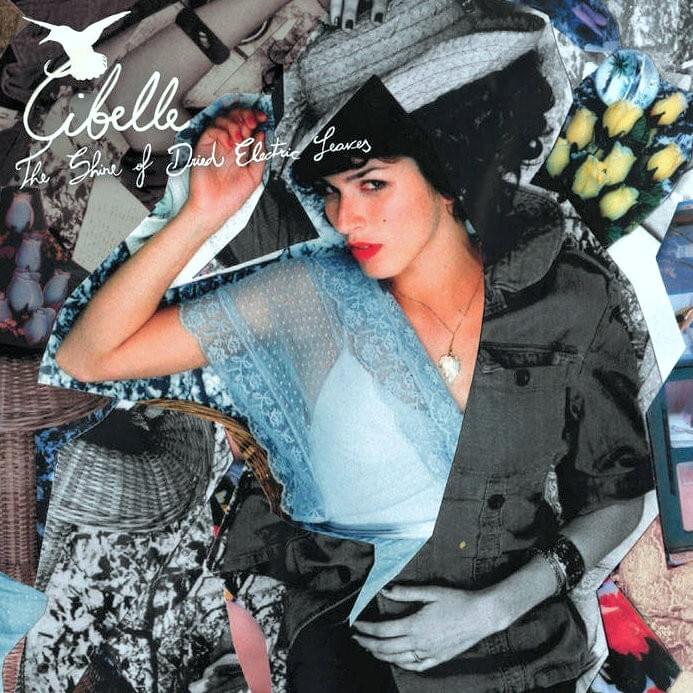
 View Artist