Song Meaning
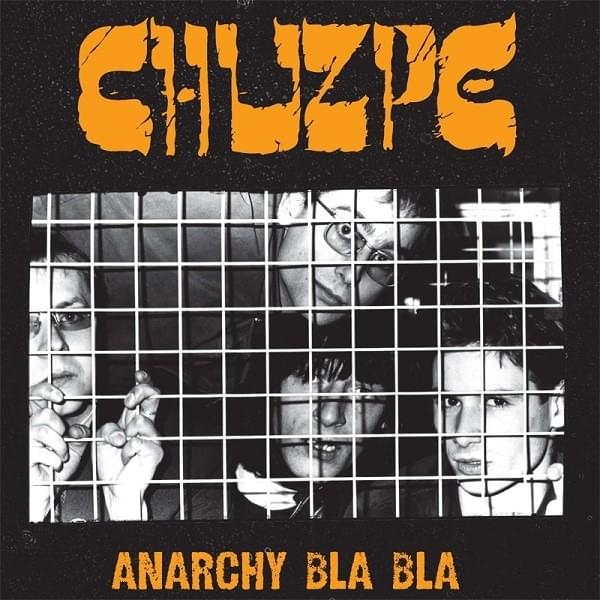
The lyrics paint a picture of a disillusioned, perhaps performative, revolutionary spirit, cloaked in the comfortable, mundane setting of a "Beisl" (a traditional Austrian pub). The opening lines, "Anarchie bla bla / Aus Schädln oh so laar," immediately set a tone of hollow pronouncements and empty skulls, suggesting that the grand ideas of revolution are just noise, devoid of real substance. This isn't a call to arms, but a cynical observation of those who talk the talk without walking the walk.
The central tension lies in the contrast between the lofty ideals of "Revolution" and "Internationale" and the reality of "Beislradikale" (pub radicals) who are "lullen wir uns ein" (lulling ourselves in) with "Schmalzbrot, Bier und Wein" (lard bread, beer, and wine). The lyrics suggest a deep-seated apathy, where "Tote Ideale versperrn die Sicht" (dead ideals block the view), leading to discussions that are "verbissen" (bitter) and "Hirn längst verschissen" (brains long shot). The "love and peace is längst im Oasch" sentiment further underscores this resignation.
One of the most striking craft elements is the juxtaposition of revolutionary fervor with everyday pub life, creating a darkly comedic effect. The phrase "Revolution / Mit schickem Oberton" (Revolution / With a chic overtone) is particularly sharp, implying that the revolutionary stance has become a fashionable accessory rather than a genuine conviction. The reference to "Sommer ochtasechzg" (Summer '68) evokes a past era of protest, now reduced to a nostalgic warmth that "Wärmt uns auch noch heut" (still warms us today), highlighting how historical movements are filtered through a comfortable, present-day lens.
Ultimately, the effectiveness of these lyrics stems from their unflinching portrayal of a specific kind of modern disillusionment. The narrator appears to be both part of and critical of this "Beislanarchie," clinging to it in the outro with "Wir klammern uns an sie / Verlass uns bitte nie" (We cling to it / Please never leave us). This desperate plea, directed at the very "anarchy" that the lyrics have deconstructed, reveals a profound emptiness and a fear of facing reality without the comforting illusion of rebellion.
 View Artist