Song Meaning
The lyrics immediately set up a stark contrast between the accused and the accuser, suggesting a blurred boundary between them. This isn't about clear-cut guilt or innocence; rather, it hints at a shared, perhaps uncomfortable, proximity. The parenthetical interjections inject a sense of internal monologue or perhaps a desperate plea. The repeated "I never gave up" acts as a defiant anchor against an encroaching sense of finality.
The core tension seems to revolve around a struggle that is perceived as lost, even as the narrator insists on their own persistence. The phrase "Then it's over, it's done" signals a moment of defeat or resignation, directly juxtaposed with the unwavering "I never gave up." This creates a powerful internal conflict: the external reality of failure versus the internal refusal to concede.
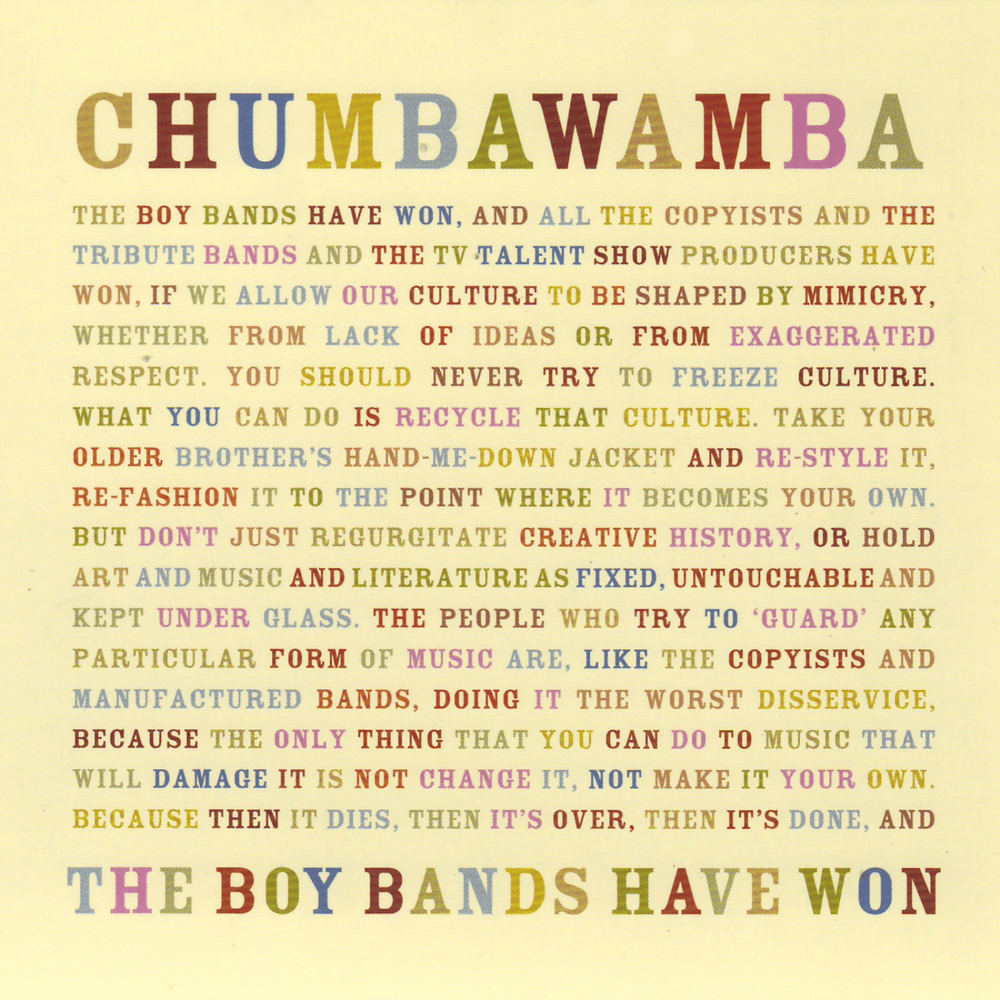
The most striking element is the abrupt, almost dismissive mention of "the boy bands... Have won." This feels like a sudden, unexpected surrender to a specific, perhaps trivial, cultural force. It’s a peculiar concession that undermines the gravity of the preceding struggle, making the narrator's persistence seem both noble and perhaps tragically misdirected. The contrast between the personal fight and this peculiar, almost absurd, victory for boy bands is jarring and memorable.
This lyrical construction is effective because it taps into the feeling of fighting a losing battle against forces that feel both overwhelming and strangely insignificant. The raw insistence of "I never gave up" clashes with the finality of "it's done," leaving the listener with a sense of unresolved struggle and a peculiar, almost ironic, defeat. It’s this specific, unexpected framing of the conflict that makes the emotional weight land so hard.
 View Artist