Song Meaning
The lyrics paint a stark, almost apocalyptic scene, beginning with a sense of profound loss. The opening lines, "The earth has bled," immediately establish a tone of deep sorrow and devastation, amplified by the "woe-singing wind." This isn't just personal grief; it feels like a collective wound, a foundational element of the world itself has been damaged. The repeated phrase "He is gone now / Gone for good" solidifies this sense of irreversible absence, setting a somber stage for what follows.
The emotional core of the piece seems to revolve around overwhelming catastrophe and the ensuing despair. The imagery shifts to a "deluge flood" and "ice water rise," suggesting a natural disaster or a metaphorical drowning in sorrow. The command to "Tear your hair, your clothes / Your eyes" and the visceral image of "Tears of blood" amplify the extreme anguish. This isn't a gentle sadness; it's a violent, all-consuming grief that mirrors the earth's own bleeding.
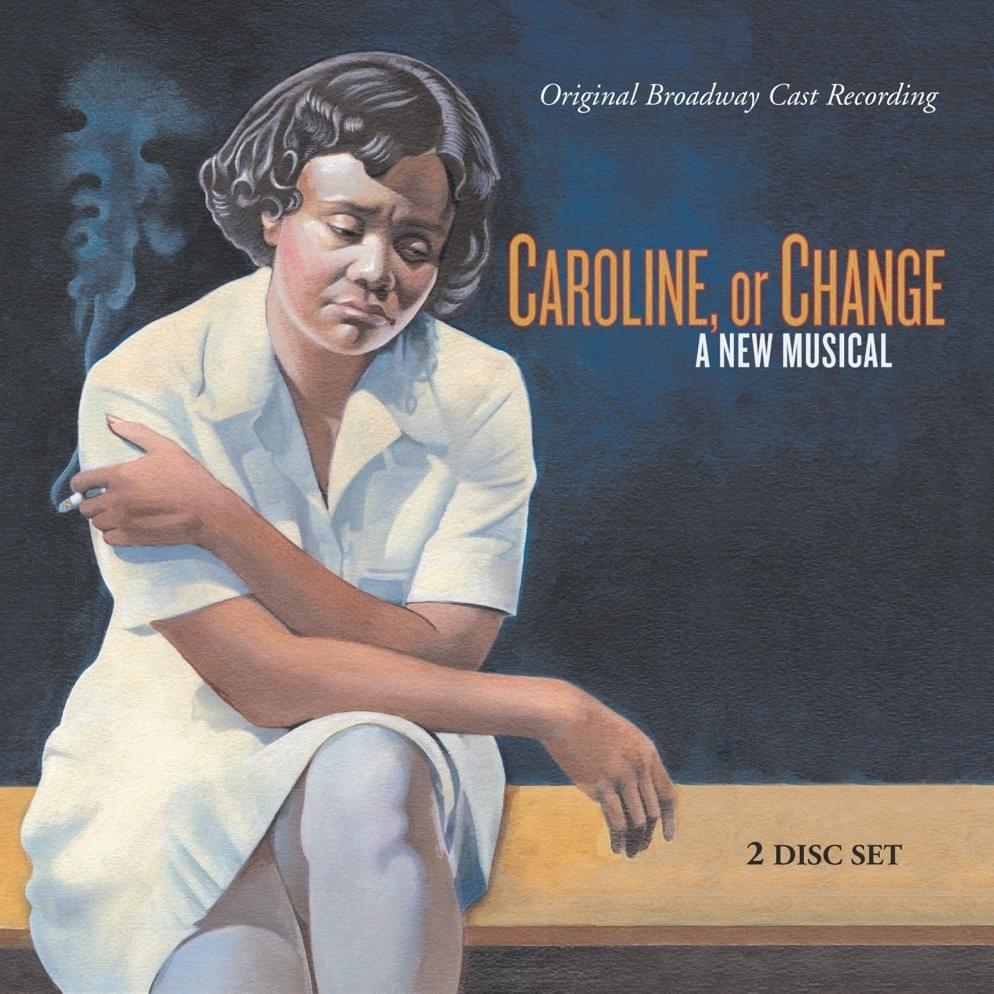
The most striking turn comes with the narrator's self-identification as "the Orphan Ship of State! / Drifting! Driverless! / Moving slow / 'Neath my awful freight of woe." This powerful metaphor connects personal sorrow to a larger, national or societal collapse. The "apologies for being late" and "making everybody wait" take on a chilling new meaning when juxtaposed with the pronouncement that "The President is dead." The "city bus" becomes a vessel carrying immense, unbearable sadness, a state adrift without leadership or direction.
This lyrical construction is effective because it moves from personal lament to grand, symbolic tragedy with startling speed. The juxtaposition of mundane apologies with existential dread and the sudden, blunt declaration of the President's death creates a disorienting yet potent emotional impact. The lyrics suggest that profound loss can shatter not just individuals but the very fabric of society, leaving behind a sense of aimless, sorrowful drift.
 View Artist