Song Meaning
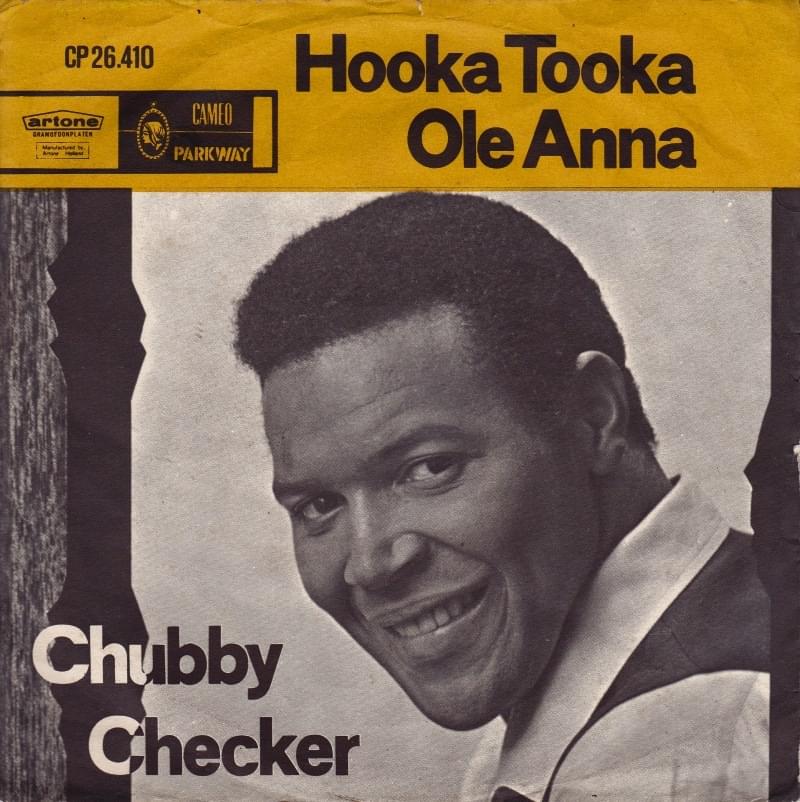
{"song_id": 13536170, "meaning": "Before the 'Twist,' there was 'Hooka Tooka,' a primal scream of nonsense that somehow became a Chubby Checker B-side. Ostensibly, the song is about… well, it’s hard to say. The lyrics fixate on the bizarre image of a mother chewing tobacco, framed by the repeated phrase \"Hooka Tooka my soda cracker.\" This central image, seemingly absurd, acts as a kind of litmus test for affection and acceptance. The singer questions his lover's dedication by asking why her mother doesn't partake in chewing tobacco, implying a bizarre standard for family unity and perhaps hinting at a playful, if nonsensical, rebellion against societal norms.
Beneath the surface of this lyrical absurdity lies a deeper exploration of belonging and familial acceptance. The repeated questions—\"Does your momma chaw tobacca?\" and \"If ya momma chaw tobacca, say Hooka Tooka\"—transform the act of chewing tobacco into a symbol of shared identity. It's a strange, almost tribal ritual, where participation signifies inclusion. The line, \"If you love me like you say you do, Chaw tobacca too,\" suggests that true love requires embracing even the most peculiar aspects of a partner's family and background. This could be interpreted as a humorous commentary on the compromises and adjustments necessary for navigating relationships and integrating into a new family.
Ultimately, the song meaning of \"Hooka Tooka\" transcends its literal interpretation. It's less about the act of chewing tobacco and more about the willingness to embrace the eccentricities and quirks that define a family's identity. The repetitive and somewhat hypnotic quality of the lyrics, combined with Checker's energetic delivery, creates a sense of infectious, albeit bewildering, joy. In this context, \"Hooka Tooka\" serves as a celebration of the absurd, reminding us that sometimes the most meaningful connections are forged through shared experiences, no matter how strange they may seem. The song invites listeners to question what they are willing to accept and embrace in the name of love and belonging. It's a reminder that true connection often lies in the willingness to participate in the unique and often-bizarre rituals of the families we choose to join."}
 View Artist