Song Meaning
The lyrics paint a picture of a place, likely a bayou town, that's seen better days. The narrator observes a decline, noting the absence of stores and a general sense of abandonment: "It don't seem like no one wants to come here anymore." Yet, a persistent pull remains, a feeling that the "streets still they call your name," even after a significant economic shift, like the docks drying up, has altered the town's identity. This creates an immediate tension between decay and a lingering, almost stubborn, sense of place.
The core conflict seems to be a yearning for escape versus a desire for rootedness, or perhaps a resignation to it. The narrator expresses a dual wish: "Oh I'd like to go / All the way to Brentford bayou" and "Oh I'd like to stay / Exactly where we wish to lay." This isn't just about physical location; it's about finding a place of peace or belonging, whether that's a distant, perhaps idealized, destination or a settled contentment right where they are. The pre-chorus, "Pretty faces still have scars / It's not about where you've been, but where you are," reinforces this idea, suggesting that past hardships don't define the present state of being.
A striking piece of craft is the contrast between the literal description of economic hardship and the abstract emotional landscape. The mention of the job being "watertight" only to disappear "almost overnight" highlights the fragility of security. This is juxtaposed with the enduring imagery of the bar's doors "swinging in the light," a visual that suggests a continued, albeit perhaps hollow, existence. The line "If pictures told tales, then your eyes would make 'em weep" is particularly potent, implying a depth of unspoken sorrow or experience etched into the people who remain.
Ultimately, the effectiveness of these lyrics lies in their evocation of a specific, melancholic atmosphere. The writing captures the feeling of being stuck between a past that's gone and a future that's uncertain, yet still feeling the pull of home. The repeated desire to both go and stay creates a poignant emotional resonance, speaking to a universal human experience of longing for change while cherishing familiarity, even in its faded form.
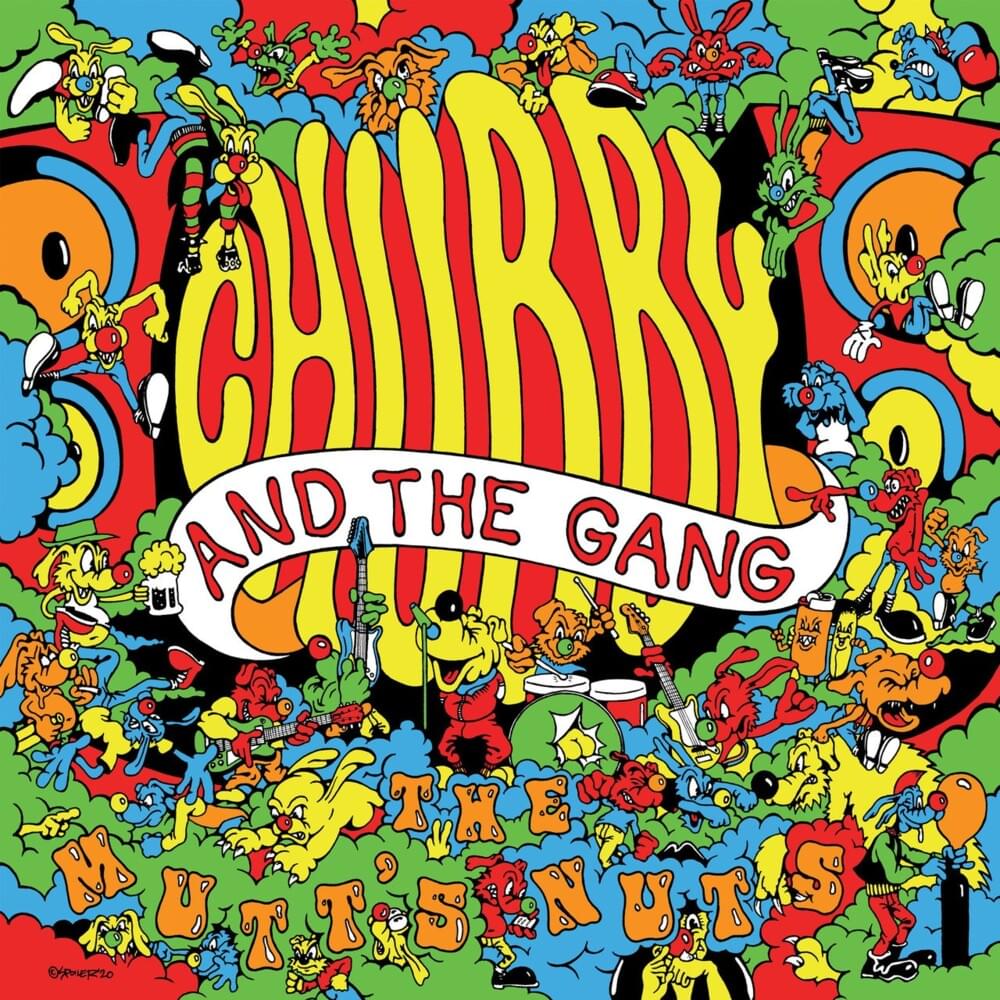
 View Artist