Song Meaning
The lyrics open with a poignant, direct plea from the speaker to a friend: "Meu amigo, não perguntes O motivo da minha tristeza." This immediate intimacy sets a somber tone, quickly revealing the core of their sorrow. The reason isn't a specific event, but a profound, almost philosophical resignation: "O futuro é uma incerteza."
This sense of an unpredictable future creates a deep tension with past joy. The speaker reflects on moments of happiness – "Se sorrimos, se cantamos / Se nós fomos felizes demais" – only to immediately contrast them with the stark reality that "Amanhã talvez tudo se acaba." The past, once gone, is irrevocably lost, emphasizing the fleeting nature of even the most profound contentment.
The most striking craft element appears in the final lines, where the speaker broadens their personal grief into a universal human experience. Through powerful parallelism, they invite anyone who has "foi amado igual eu fui" and "amou na vida o quanto amei" to understand their pain. This shared experience culminates in the shared sorrow: "Vai chorar o quanto eu chorei," transforming individual heartbreak into a collective lament.
Ultimately, these lyrics resonate because they don't demand pity but instead offer a quiet, dignified articulation of loss. The speaker's sadness feels deeply authentic, grounded not just in personal experience but in a universal truth about love's fragility and the permanence of its absence. It's a powerful, understated acknowledgment of grief that feels earned and deeply human.
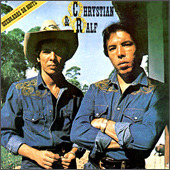
 View Artist