Song Meaning
The lyrics immediately plunge into the raw aftermath of a breakup, where the narrator confronts the painful reality of being unwanted. There's a stark contrast between the narrator's deep investment and the former lover's clear disinterest. The emotional core is one of profound, unreciprocated heartbreak.
The central tension lies in the narrator's idealized vision of their relationship clashing violently with the ex-lover's decisive departure. Phrases like "não podia terminar" (couldn't end) reveal a deep-seated belief that their love was meant to last, directly contradicted by the ex's actions. This creates a poignant sense of betrayal and shattered expectations.
The craft shines in the stark contrast between the narrator's deep commitment and the ex-lover's swift pivot. The lyrics highlight the narrator's "planos pra passar a vida" (plans to spend life) with the former partner, only for the ex to make "seu destino em outra direção" (their destiny in another direction). This specific detail, particularly the ex seeking "o aconchego de outra paixão" (the comfort of another passion), makes the betrayal feel intimate and deeply personal, rather than a vague parting.
Ultimately, these lyrics are effective because they capture the universal sting of a one-sided breakup with unflinching honesty. The repetition of "Minha história com você" – first as an ideal that "não podia terminar" and finally as the definitive "É o fim" – frames the entire narrative of loss. It's a powerful, concise expression of a love story ending not with a whimper, but with a heartbroken, resigned sigh.
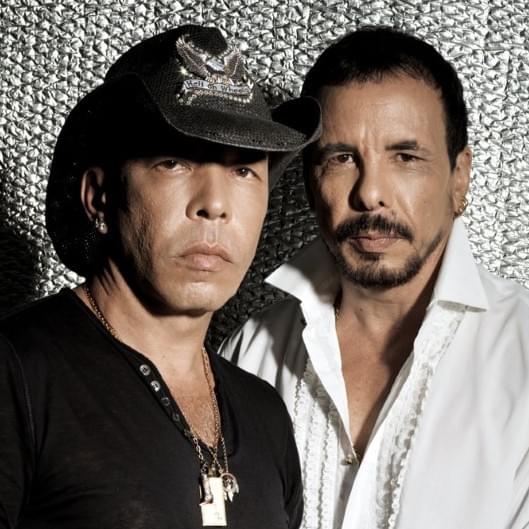
 View Artist