Song Meaning
The lyrics open with a poignant image: "Trago nos olhos uma lágrima / Na boca um gosto de sal." This immediately sets a scene of recent sorrow, a lingering taste of pain. Yet, the speaker quickly pivots, asserting "No coração não guardo mágoas," signaling a conscious decision to release resentment and embrace "um novo céu" each day. This establishes a tone of resilient forward motion despite past hurt.
The core tension emerges around a past relationship. "O nosso amor passou, passou," the speaker declares, emphasizing finality with repetition. There's a firm rejection of any "volta" (return), even acknowledging "se foi bom, mas não durou." The past's quality is irrelevant; its impermanence means "já não importa." This isn't bitterness, but a clear-eyed assessment of what is no longer.
The craft shines in the speaker's resolute focus on self-direction. Phrases like "seguir caminho" and "caminhar seguindo o meu destino" underscore an individual journey, culminating in the stark realization, "Sei que vou sozinho." The lyrics then issue a direct plea: "Não faça nenhuma missão de volta," reinforcing the commitment to "seguir em frente." This drive to "reconquistar meus planos" — plans once shared as "da gente" — powerfully illustrates a reclaiming of personal agency.
Ultimately, the lyrics find their power in this unwavering embrace of reality. "A vida não disfarça / Ela é bem diferente," the speaker observes, grounding their personal resolve in a larger truth about change. This isn't just a breakup anthem; it's a declaration of self-reliance, moving from the sting of tears to a determined stride forward. The emotional impact comes from witnessing this transformation, a quiet strength emerging from acknowledged vulnerability.
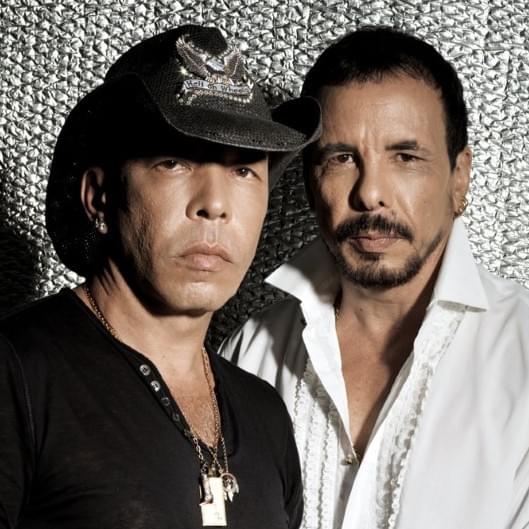
 View Artist