Song Meaning
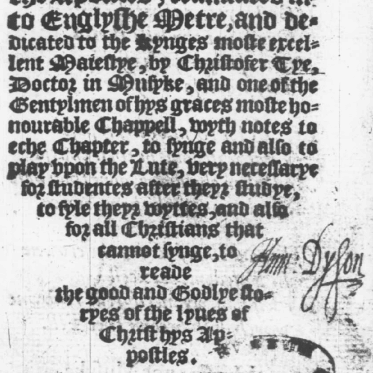
“Then was there one Cornelius” immediately introduces a figure of historical or legendary weight. He's presented as "A Captayne good and gracius," suggesting a leader defined by both authority and kindness. The setting in "Cesarye" and his origin "Of those of Italye" grounds him in a specific, ancient context. This opening paints a picture of a respected, well-regarded individual.
The lyrics quickly pivot from his worldly status to his profound spiritual nature. Cornelius is not just a good captain; he is "Devout he was and God dyd feare." This isn't a casual piety; it's a deep reverence that extends beyond himself. The text emphasizes this by noting "So dyd his famelye," indicating his influence and the shared values within his household.
The archaic phrasing, like "dyd feare" and "Abode continuallye," isn't just stylistic; it imbues Cornelius's character with a sense of enduring, almost timeless virtue. The lyrics don't just tell us he's devout; they show it through his consistent actions: "In almes great and in prayer." This focus on active, sustained goodness, rather than mere belief, makes his character feel substantial and aspirational.
What makes these lines resonate is the unwavering portrait of moral excellence. There's no hint of flaw or struggle, just a steady declaration of goodness. The lyrics effectively build a figure of quiet, consistent integrity, a leader whose authority is matched by his spiritual depth.
 View Artist