Song Meaning
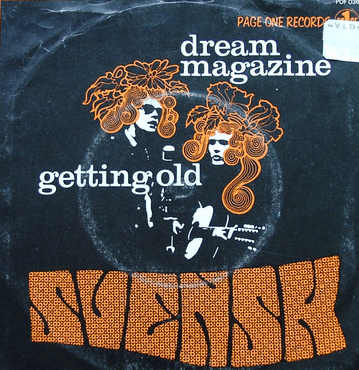
This track paints a picture of idealized infatuation, born from a fleeting image. The narrator fixates on a "picture in my dream magazine," immediately elevating the subject to an almost unattainable status. The initial verses are filled with a sense of wonder and possessiveness, describing her as the "sweetest girl I've ever seen" and imagining her as "mine" in close-up. This fantasy is fueled by visual details: "wide angle," "telephoto," "long blonde hair and wide blue eyes," all contributing to a perfect, almost manufactured image that "sends my temperature up high."
The core tension arises from the stark contrast between this manufactured ideal and the harsh reality. The third verse delivers a sobering realization: "All that's there is just a dream." The girls in these magazines, the lyrics suggest, are not real people to be known or possessed, but rather curated images. They exist in a space "not for anyone to share," implying they are either unattainable fantasies or perhaps belong to a collective, impersonal ideal rather than an individual.
The most striking aspect of the writing is the juxtaposition of photographic terms with emotional language. Terms like "wide angle" and "telephoto" are typically technical, yet here they are used to describe the narrator's escalating feelings and desire for ownership. This blend of the clinical and the passionate highlights how the narrator is attempting to quantify and control an emotion sparked by an image. The shift from possessive fantasy to the acknowledgment of the image's unreachability is abrupt and effective, mirroring the sudden deflation of a dream.
Ultimately, the lyrics resonate because they capture that specific, potent feeling of falling for an idea rather than a person. The narrator's initial excitement, driven by visual perfection, is ultimately undercut by the understanding that the object of his affection exists only in the realm of fantasy. It’s a poignant, if brief, exploration of how idealized images can both inspire intense emotion and lead to inevitable disappointment when confronted with reality.
 View Artist