Song Meaning
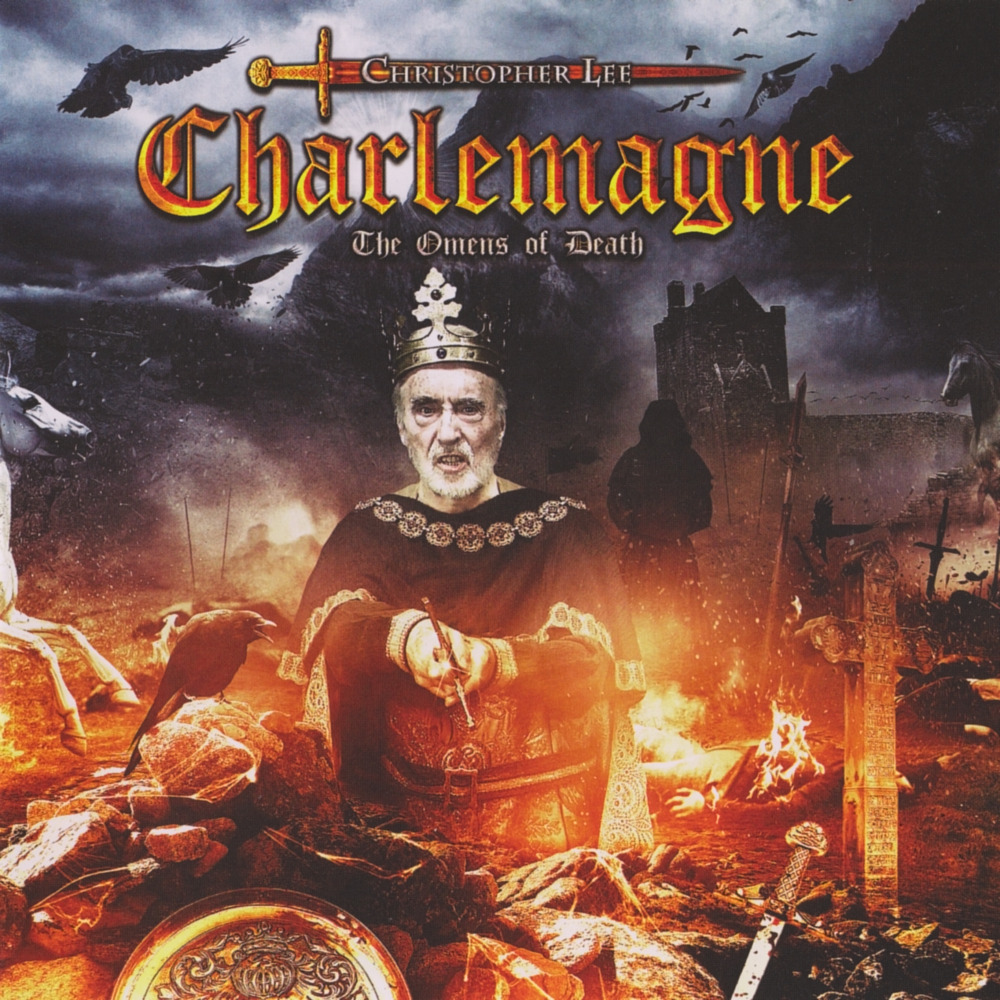
Christopher Lee, the late, iconic actor known for his chilling portrayals of Dracula and Saruman, brings that same gravitas to his metal project. "The Portent" isn't just a song; it's a descent into a psyche blinded by faith and ambition, a lyrical exploration of how easily noble intentions pave the road to hell. The track drips with regret, narrated from the perspective of a leader – possibly a king or religious figure – who retrospectively recognizes the warning signs he ignored in his ascent to power. The repeated phrase, "The signs were there, wherever I looked, only I could not see them," functions as a haunting confession of willful ignorance.
The lyrics delve into the seductive nature of zealotry. The narrator admits that his "beliefs" and designation as "the chosen one" blinded him to the consequences of his actions. References to historical battles like "Lombardi, Verden, Roncevaux Pass..." suggest a reign defined by violence and conquest, framing the character as a figure whose legacy is etched in blood. The line, "as all great kings, I became a great killer," underscores a cynical view of leadership, implying that power inevitably corrupts and transforms even the most well-intentioned individuals into instruments of destruction.
Ultimately, "The Portent" serves as a cautionary tale, a stark reminder that unchecked ambition and unwavering faith, devoid of critical self-reflection, can lead to catastrophic outcomes. The final declaration, "These were Omens / The Omens of Death!" is not merely a statement of fact but a chilling realization that the narrator's destiny was sealed by his own choices, a fate foretold by the very signs he chose to ignore. Lee’s performance imbues the lyrics with a palpable sense of dread and remorse, elevating the song beyond a simple history lesson into a profound meditation on the corrupting influence of power and the tragic consequences of blind faith.
 View Artist