Song Meaning
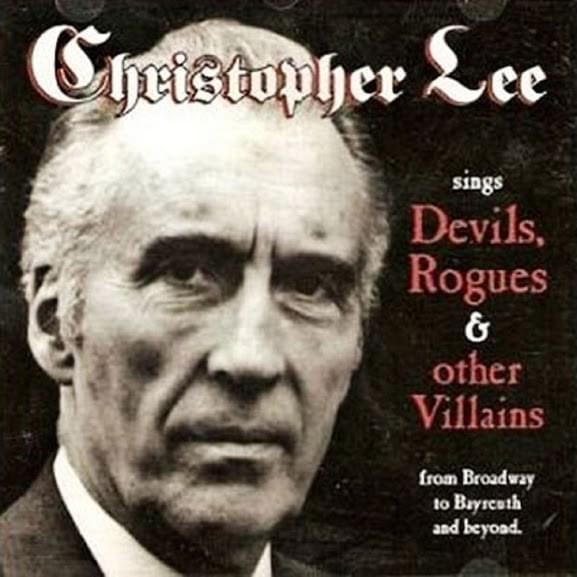
Christopher Lee's rendition of "Man of La Mancha" is more than just a song; it's a declaration of defiant idealism against a world perceived as irredeemably corrupt. The lyrics immediately establish a stark dichotomy: a "bleak and unbearable world" contrasted with the unwavering spirit of a knight. This isn't just any knight; it's Don Quixote, the self-proclaimed Lord of La Mancha, a figure synonymous with tilting at windmills – fighting battles that others deem imaginary or unwinnable. Lee's powerful delivery amplifies the inherent tension between Quixote's grand vision and the grim reality he confronts. The gauntlet thrown down is not just a challenge but a rejection of the status quo.
The repeated refrain, "I am I, Don Quixote / The Lord of La Mancha – My destiny calls and I go!" serves as both an affirmation of identity and an acceptance of fate. There's a potent psychological element at play here. Quixote isn't merely delusional; he's actively constructing a reality that aligns with his values. The "wild winds of fortune" become a metaphor for the unpredictable nature of life, yet he embraces them, willing to be carried "whithersoever they blow." This speaks to a deep-seated need for purpose and meaning, even in the face of overwhelming adversity.
The song's second verse broadens the scope of Quixote's crusade, targeting "heathens and wizards / And serpents of sin." This isn't a literal battle against mythical creatures but a symbolic war against the forces of darkness and immorality. The declaration that "virtue shall triumph at last!" is a testament to the enduring power of hope and the belief in the possibility of redemption. Ultimately, Lee's interpretation of "Man of La Mancha" resonates because it taps into a universal desire to transcend the limitations of our world and to strive for something greater, even if that something exists only in our imagination. The song meaning, therefore, lies in its celebration of the human spirit's capacity for unwavering belief in the face of cynicism.
 View Artist