Song Meaning
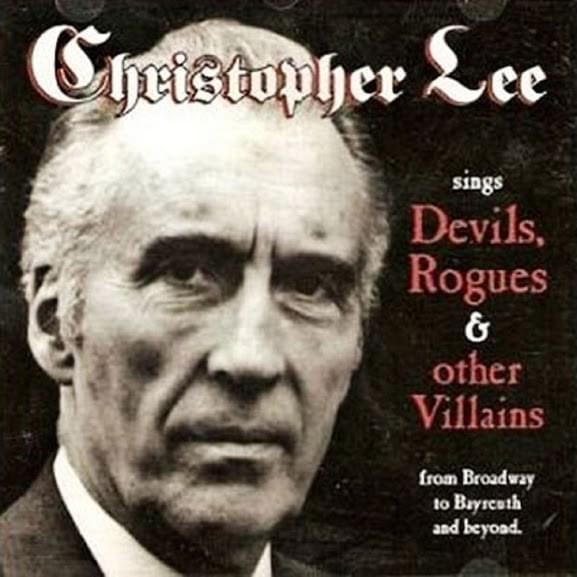
Christopher Lee's rendition of "Credo in un dio crudel" isn't just a song; it's a plunge into the abyss of existential dread, articulated with operatic grandeur. The title itself, translating to "I believe in a cruel God," sets the stage for a nihilistic manifesto. This isn't a casual expression of teenage angst; it's a declaration of war against the very notion of inherent goodness, a rejection of comforting illusions. The lyrics, originally from Verdi's *Otello*, are delivered with chilling conviction, amplifying their inherent darkness. Lee, known for his iconic portrayals of villains, embodies the persona flawlessly. This isn't just singing; it's a theatrical performance of pure, unadulterated cynicism.
The song's power lies in its unflinching examination of human nature's supposed flaws. The narrator, Iago, confesses his belief in a cruel God who created him in his own image, suggesting a lineage of inherent wickedness. He sees himself as inherently flawed, born from "the vileness of a germ or atom." This isn't self-pity; it's a defiant embrace of his perceived depravity. The lyrics drip with contempt for conventional morality, portraying the righteous as nothing more than "a mocking actor," their virtues mere facades concealing deceit. This perspective challenges the listener to confront uncomfortable truths about the potential for darkness within themselves and the world around them.
Ultimately, "Credo in un dio crudel" confronts the void. The lyrics lead to an acceptance of a universe devoid of inherent meaning or justice. Man is a plaything of fate, from cradle to grave, with death offering not solace but oblivion. The final, maniacal laughter isn't just a sign of madness; it's a triumphant declaration of freedom from illusion. Lee’s interpretation doesn't offer answers, but instead intensifies the questions, leaving us grappling with the unsettling possibility that existence is, at its core, absurd and cruel.
 View Artist