Song Meaning
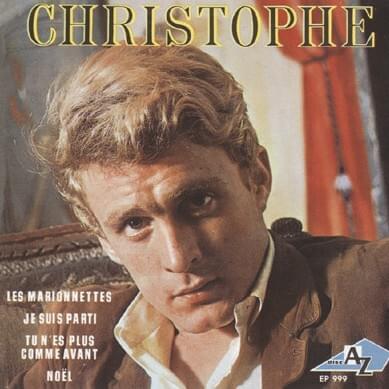
Christophe's "Tu n'es plus comme avant" isn't just a breakup song; it's a post-mortem on intimacy, dissecting the chilling moment when familiarity curdles into estrangement. The opening lines cut deep: "Tu n'es plus comme avant / Et toi tu le sais bien." There's no accusation, only a stark acknowledgment of a fundamental shift. The real gut punch lies in the loss of recognition: "Car dans tes yeux d'enfant / Moi je ne vois plus rien." The childlike innocence, once a source of connection, is now a vacant stare, a terrifying reflection of the emotional void that has grown between them.
The repeated assertion, "Tu n'es plus comme avant," becomes a mantra of disillusionment, a desperate attempt to reconcile the present with the ghost of the past. The speaker grapples with the betrayal – "Tu t'es moqué de moi" – yet surprisingly offers forgiveness: "Mais je ne t'en veux pas." This isn't necessarily an act of magnanimity, but perhaps a coping mechanism, a way to detach from the pain by intellectualizing the situation. It's easier to forgive than to confront the raw, agonizing truth of lost love.
The chorus, with its declaration of emotional distance – "Car moi je suis très loin de ton cœur / Si loin de tes lèvres, trop loin" – reveals the speaker's strategy for survival. Distance, both physical and emotional, becomes a shield. The line "Je n'ai plus peur de toi" isn't a statement of strength, but of resignation. Fear has been replaced by a hollow acceptance, a recognition that the relationship is beyond repair. "Tu n'es plus comme avant" ultimately captures the quiet devastation of realizing that the person you once knew and loved has vanished, leaving behind only a stranger. The singer isn't lamenting lost love, but the death of a shared identity.
 View Artist