Song Meaning
Christophe's "Si tu veux, je peux" isn't so much a love song as it is an existential proposition, a raw negotiation of selfhood in the face of desire. The repeated phrase, "Si tu veux, je peux" ("If you want, I can"), becomes a mantra of malleability, a desperate attempt to mold oneself into the ideal partner. It's less about genuine affection and more about the anxiety of conditional love – the unspoken fear that one's true self is insufficient. The lyrics portray a willingness to erase, fabricate, and even diminish oneself to meet the perceived needs of the other.
The song's power lies in its vulnerability. Christophe offers a series of potential selves: artist, storyteller, silent departure, or even nothing at all. This isn't confident seduction; it's a poignant display of insecurity. The lines "Si tu veux, je peux être un homme / Qui te prend parce que tu te donne" hint at a transactional view of intimacy, reducing love to an exchange of power and vulnerability. He is willing to be the man who takes, if that is what she desires, highlighting his willingness to sacrifice his own desires.
Ultimately, "Si tu veux, je peux" explores the terrifying prospect of losing oneself in the pursuit of love. It's a question posed to the listener: How much of yourself are you willing to sacrifice for the sake of connection? The simplicity of the melody, contrasted with the complex emotional landscape of the lyrics, creates a haunting and unforgettable exploration of the human condition. The song meaning resides in this tension between the desire to be loved and the fear of losing oneself in the process.
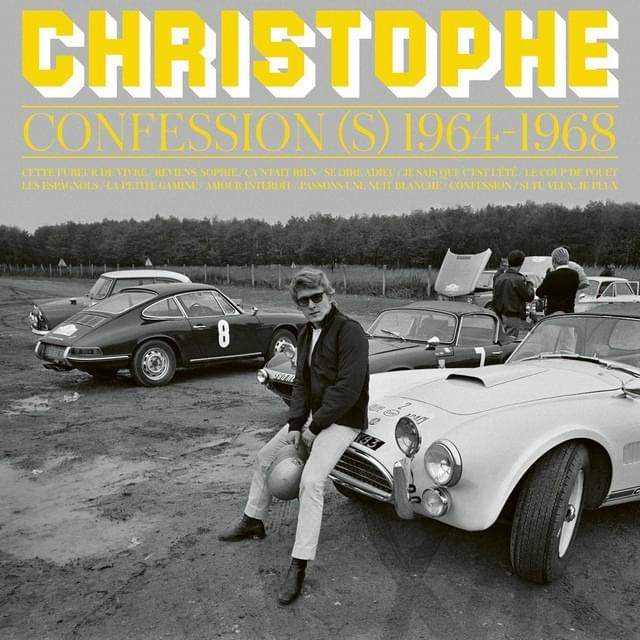
 View Artist