Song Meaning
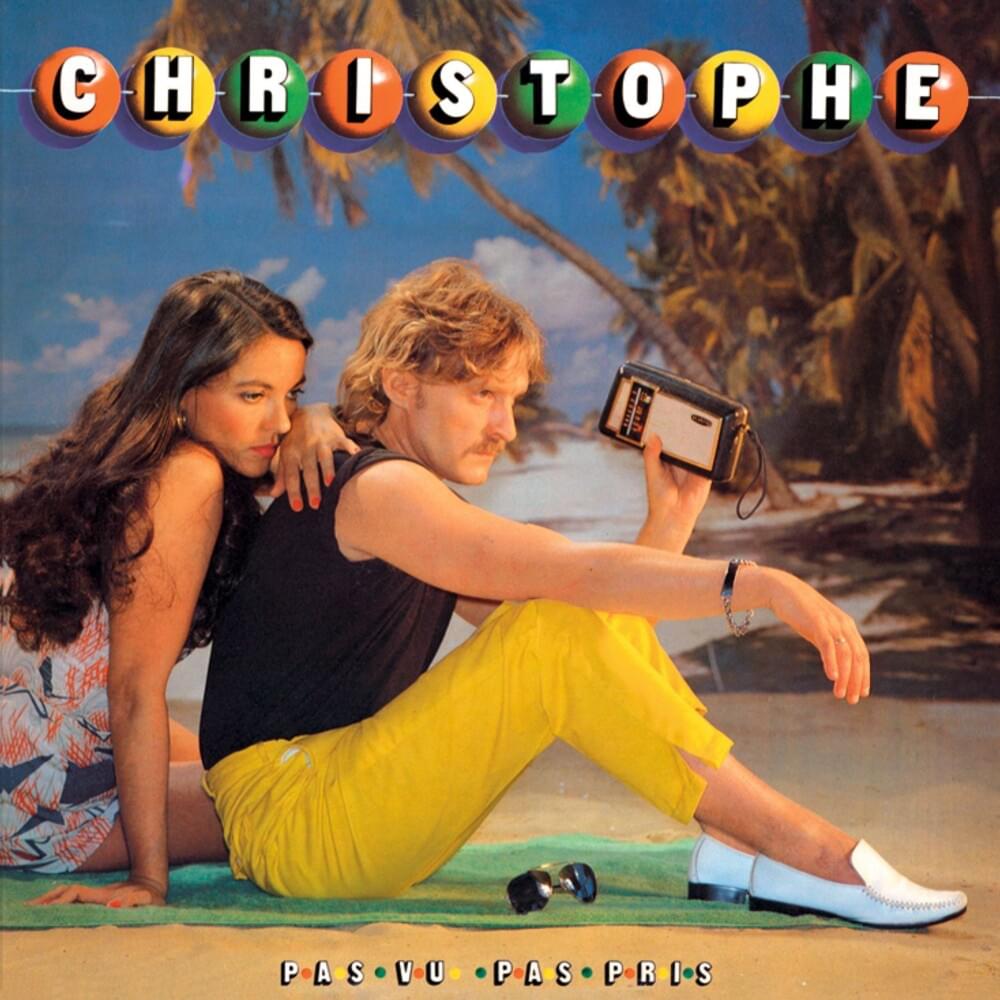
Christophe's "Pas vu pas pris" is a masterclass in seductive unease, a pop song draped in the unsettling allure of the forbidden. The lyrics, delivered with Christophe's signature detached cool, paint a portrait of a figure lurking on the fringes, a collector of "bas résille" (fishnet stockings) who admits to being "un peu nerveux" (a little nervous) but insists he's "pas dangereux" (not dangerous). This tension, this tightrope walk between perceived innocence and implied threat, is where the song meaning truly resides. The repeated refrain, "Pas vu, pas pris" (not seen, not caught), acts as both a justification and a confession, a whispered mantra of impunity. It suggests a game of cat and mouse, a fleeting dance with transgression where the thrill lies in the near miss, the unspoken implication. The narrator's attraction to "poupées rousses" (red-haired dolls) and the unsettling line about using a knife, while disturbing, could also be interpreted metaphorically, representing a desire to possess and control, to leave a mark, however fleeting, on the world.
The song's true genius lies in its ambiguity. Is this a portrait of a harmless eccentric, a voyeur indulging in harmless fantasies? Or is there something darker lurking beneath the surface? The lyrics offer no easy answers, instead inviting the listener to project their own fears and interpretations onto the narrator. The phrase "Je les attire" (I attract them) is particularly loaded, suggesting a power dynamic that is both seductive and potentially manipulative. The quick exit, "En vitesse, je me tire" (I leave quickly), further underscores the narrator's awareness of the precariousness of his position, the need to remain unseen, unburdened by consequence.
Ultimately, the song meaning of "Pas vu pas pris" is a reflection on the darker impulses that reside within us all, the secret desires and forbidden fantasies that we keep hidden from the world. Christophe, with his characteristic blend of aloofness and vulnerability, holds up a mirror to these hidden aspects of the human psyche, forcing us to confront the unsettling truth that sometimes, the greatest thrill lies in getting away with something, even if only in our own minds. The song's unsettling nature and the open question of the narrator's true intentions are what make it such a compelling and enduring piece of art.
 View Artist