Song Meaning
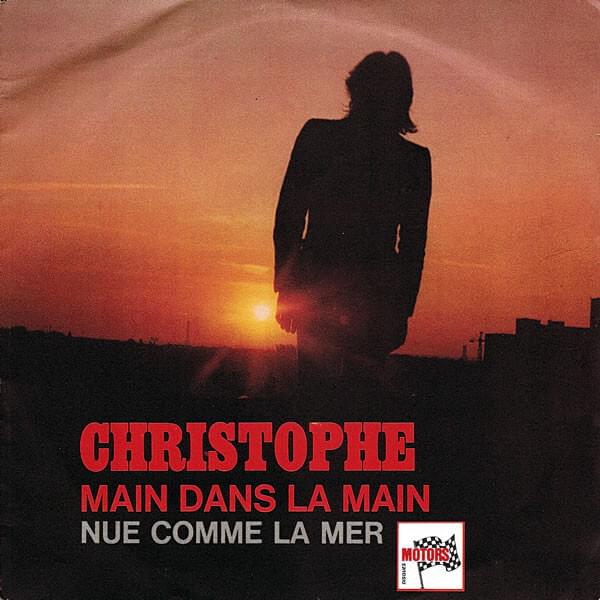
Christophe's "Nue comme la mer" doesn't just paint a picture; it evokes a haunting emotional landscape. The song's power lies in its stark simplicity, a raw and elemental portrayal of loss and longing. The recurring imagery of wind, sea, sun, and rain acts as a backdrop to a deeply personal narrative, each element mirroring the tumultuous inner world of the narrator. The phrase "comme en hiver" suggests a sense of emotional desolation, a stark contrast to the warmth one might expect from such natural imagery. The woman, described as "nue comme la mer" (naked as the sea), is presented in a state of vulnerability and purity. This 'nakedness' transcends the physical; it's an exposure of the soul, a confrontation with raw emotion.
The central figure's 'nakedness' and connection to the sea suggests a return to origins, a primal state untouched by societal constructs. Her presence is both a source of pain ("Mon chagrin dansait dans ses yeux clairs") and a beacon of hope. The narrator's grief is palpable, visualized as a tear falling into the vast ocean, a poignant symbol of sorrow and acceptance. This imagery suggests the immensity of loss, but also the potential for it to be absorbed and transformed by time and nature. The reference to her anger suggests the complexity of their relationship, hinting at a past filled with both passion and conflict.
Ultimately, the song meaning circles back to memory and the struggle to reconcile with a lost love. The narrator grapples with the fading memory of his life with her, a life she has "presque effacée." Yet, there's a flicker of hope, a belief that she might return. This hope, however fragile, is what sustains him, allowing his heart to slowly forget the initial pain. Christophe masterfully uses elemental imagery and stark descriptions to convey a universal experience: the enduring power of love, loss, and the human capacity for hope amidst despair. The cyclical nature of the lyrics mirrors the ebb and flow of emotions, leaving the listener with a lingering sense of melancholy and the quiet understanding of love's enduring echo.
 View Artist