Song Meaning
Christophe's "Le Temps de vivre" isn't merely a song; it’s a visceral portrait of existential fatigue, rendered in shades of urban decay. The opening lines, saturated with rain and anonymity, immediately plunge the listener into a world where the protagonist is utterly disconnected, a ghost adrift in a sea of indifferent faces. The weariness is palpable, a bone-deep ache that transcends mere physical exhaustion and speaks to a profound spiritual depletion. The recurring image of the rain-soaked guitar isn't just melancholic; it's a symbol of art itself, rendered useless and heavy by the weight of the world's misery. The phrase "Même la mort est trempée" suggests even death, the ultimate escape, is tainted by the pervasive gloom.
The chorus is the crux of the song's meaning, a raw, repeated lament: "Je n'ai pas eu le temps de vivre" ("I haven't had time to live"). This isn't simply a complaint about a busy schedule; it's a statement of profound regret, a recognition that life, in its truest sense, has somehow eluded him. The desire to escape, to "mourir avant longtemps" ("die before long"), isn't presented as a suicidal impulse, but as a desperate yearning for authenticity, a flight from the suffocating artifice of modern existence. The plea to leave "ce monde qui se meurt" ("this dying world") underscores the feeling of being trapped in a system that is both spiritually and emotionally bankrupt.
The second verse amplifies the sense of alienation and disillusionment. The protagonist, feeling "un peu gris" ("a little gray") on a "trottoir trop petit" ("sidewalk too small"), is suffocated by ennui and the "brouillard glacé" ("icy fog"). The chilling line "Même la mort est blasée" ("Even death is jaded") indicates a total loss of hope, where even the prospect of oblivion offers no solace. Christophe masterfully uses these images to convey a sense of existential dread, a feeling that life has become a meaningless performance, devoid of joy or purpose. The repetition of the chorus at the end serves as a haunting reminder of the time that has been lost, the life that has gone unlived, leaving the listener with a profound sense of unease and reflection.
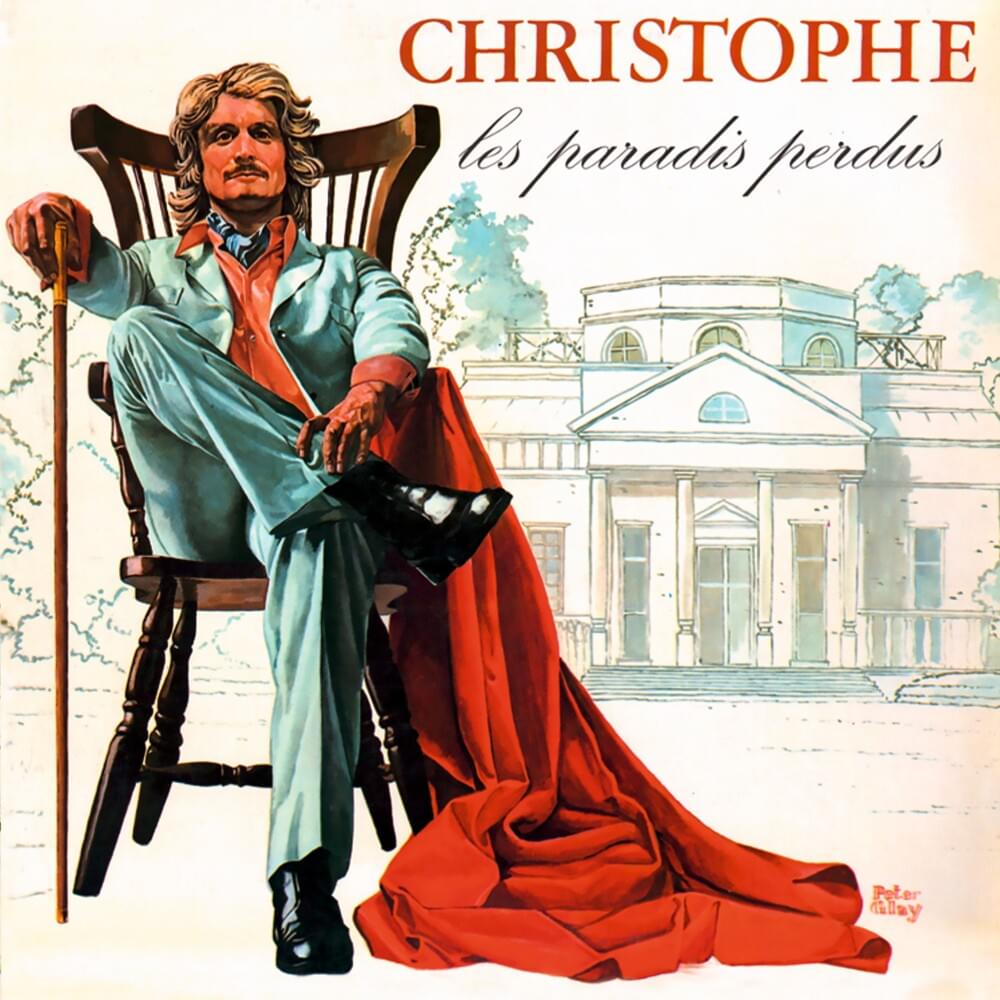
 View Artist