Song Meaning
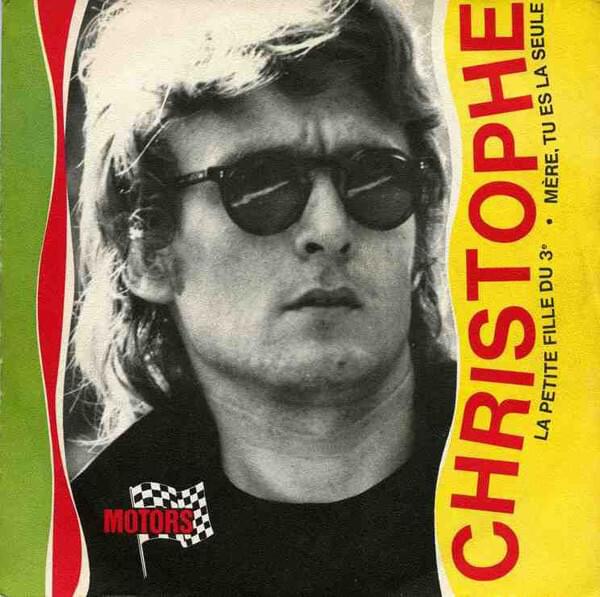
Christophe's "La Petite Fille du troisième" isn't a narrative as much as a haunting, psychological portrait rendered in miniature. The cyclical lyrics, fixated on observing without interacting, paint a picture of urban alienation and the anxieties of modern life. We glimpse a young girl burdened by problems, a fortune-telling old woman predicting death, and a narrator trapped in a Sisyphean existence, sweeping all day. These characters exist within the same building, a microcosm of society, yet remain isolated. The building becomes a stage for unspoken dramas. The narrator's repeated refrain, "Je vois tout, j'entends tout, mais je ne dis jamais rien" ("I see everything, I hear everything, but I never say anything"), is the core of the song's meaning. It's a confession of complicity and the paralysis that comes with being a detached observer. He is aware of the human dramas unfolding around him, but chooses silence, perhaps out of fear, apathy, or a sense of powerlessness. This choice underscores the isolating nature of urban existence, where individuals are often surrounded by others but remain emotionally disconnected. The repetition in the lyrics reinforces the idea of being stuck in a loop, unable to break free from this cycle of observation and silence.
There's a subtle undercurrent of voyeurism in the lyrics, not necessarily malicious, but indicative of a passive engagement with the lives of others. The narrator isn't actively involved; he's simply watching, listening, and internalizing. This passivity highlights the psychological toll of living in close proximity to others without genuine connection. The "petite fille" with her perpetual problems becomes a symbol of the everyday struggles that often go unnoticed or unacknowledged. The "vieille dame" predicting death introduces an element of existential dread and the awareness of mortality that permeates urban life. The narrator's silence, in this context, can be interpreted as a defense mechanism against the overwhelming realities of life and death.
The beauty of "La Petite Fille du troisième" lies in its ambiguity. Christophe doesn't offer any easy answers or judgments. He simply presents a snapshot of urban existence, leaving the listener to grapple with the complexities of human connection, isolation, and the psychological impact of being a silent witness. The song becomes a mirror reflecting our own tendencies to observe without engaging, to remain detached from the struggles of others, and to find ourselves trapped in cycles of passivity.
 View Artist