Song Meaning
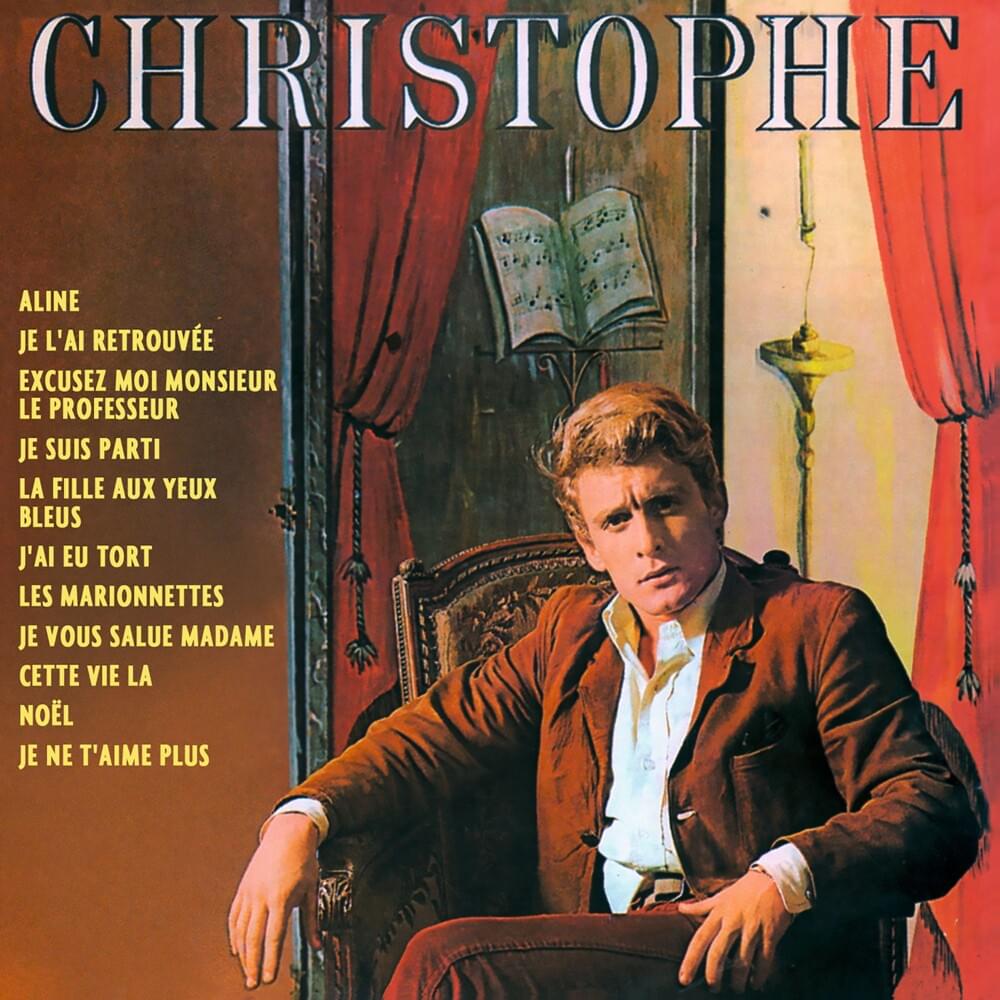
Christophe's "Je vous salue madame" is a barbed, almost blasphemous farewell to a lost love, dripping with resentment and a desperate need for closure. The repeated invocation, "Je vous salue Madame, ne priez plus pour moi," twists the traditional religious greeting into a bitter rejection. He's not seeking absolution; he's demanding to be released from her hold. The lyrics expose a raw wound, a lingering pain that festers with accusations. The singer seems trapped in a cycle of desire and resentment, unable to fully break free from the woman's memory and influence. He begs her to stop praying for him, implying her continued presence in his thoughts, even if unwanted, holds power over him. He doesn't want salvation; he wants to be left alone.
The core of the song meaning lies in the conflicting emotions. The singer admits he cannot forgive her betrayal – "Je ne vous pardonne pas / D'avoir laissé un jour / Prononcer votre nom / Par un autre que moi." This isn't just jealousy; it's a violation of something sacred, a possessive claim over her identity, symbolized by her name. The lyrics suggest that her act was not simply a physical betrayal, but a deeper transgression that has shaken his sense of self and ownership. He's grappling with the humiliation and the loss of control.
Ultimately, the song's tragedy lies in its ambiguity. The plea for "un baiser tout petit / Qui ne m'arrêtera pas" reveals a lingering weakness, a final temptation to succumb to the past. He simultaneously craves and fears this connection. The kiss becomes a symbolic test, a final chance to either break free or be consumed entirely. The repetition of the opening lines emphasizes the cyclical nature of his torment. He's trapped in a loop of resentment, desire, and the desperate hope for a definitive end. "Je vous salue madame" is not a prayer for forgiveness, but a curse disguised as a farewell, a final, desperate attempt to exorcise a ghost.
 View Artist