Song Meaning
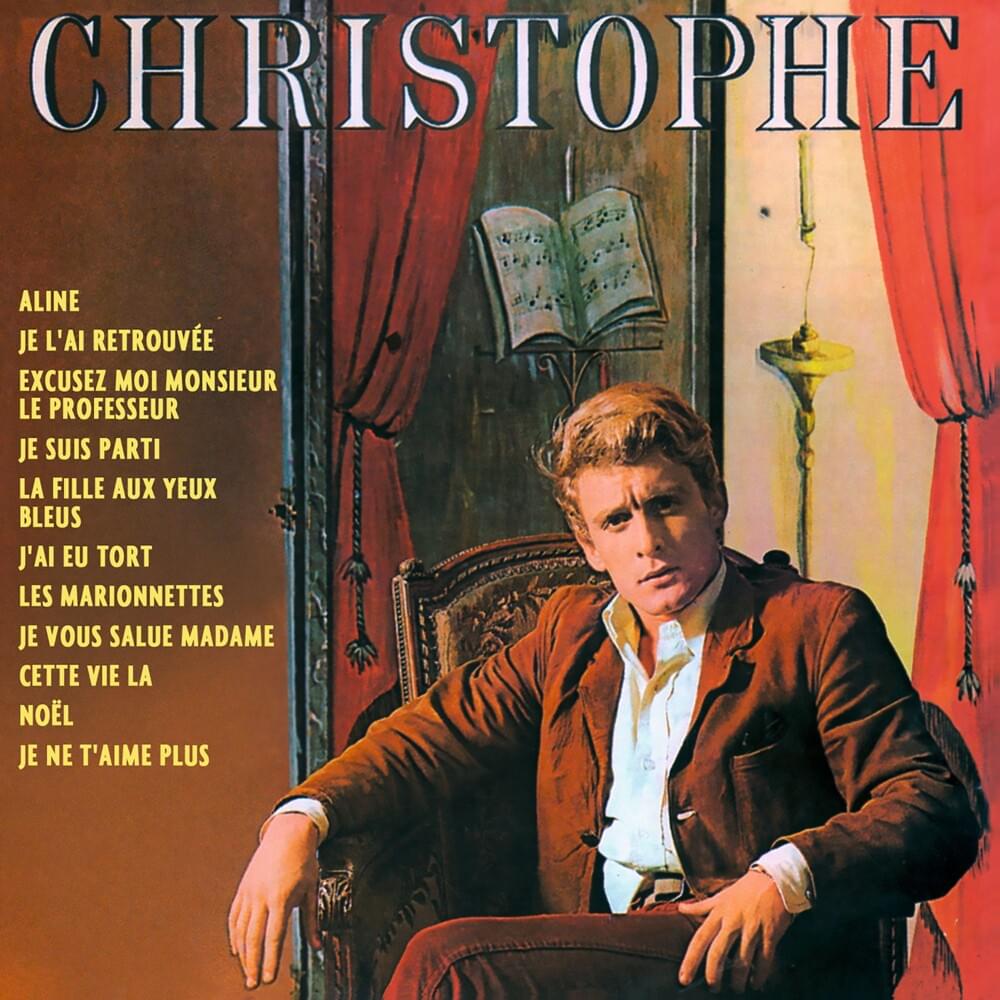
Christophe's "Je suis parti" isn't a boast of freedom, but a whispered confession of retreat. The opening declaration, "Je suis parti / Sans un adieu" (I left / Without a goodbye), immediately establishes a landscape of avoidance, a severance enacted in the shadows. It's the sound of a door closing softly, not slammed in anger, but eased shut with a regret so profound it chokes off any final words. The repeated line, "Laisse-moi te dire / Je t'aimais bien" (Let me tell you / I liked you a lot), feels deliberately muted, a vast understatement that hints at deeper, unresolved feelings. It's the kind of phrasing one might use to distance themselves from the intensity of true love, a self-protective measure disguised as politeness.
The song's melancholic melody becomes a character in itself, described as "trop triste" (too sad), mirroring the narrator's own emotional state. He offers it to the listener, urging, "Écoute-la / Elle est pour toi" (Listen to it / It is for you), suggesting the music carries the weight of unspoken emotions, the full confession he cannot articulate directly. The act of singing becomes a desperate attempt to bridge the gap created by his departure. He confesses to singing the song while "criant ton nom" (shouting your name), a raw, visceral image that contradicts the initial impression of a clean, detached break. The plea, "Ne pleure pas" (Don't cry), further reveals the depth of his concern and the pain he is inflicting, despite his attempts at a gentle exit.
The final verse, "Je suis parti sans oublier / La belle histoire / Que l'on se racontait" (I left without forgetting / The beautiful story / That we told each other), underscores the enduring impact of the relationship. Despite the physical separation, the shared history remains, a bittersweet reminder of what was. The concluding lines, "Je n'ai plus rien / C'est ma chanson / C'est ta chanson" (I have nothing left / It's my song / It's your song), highlight the shared ownership of the experience, the inextricable link that persists even in absence. The song, therefore, becomes both a testament to the lost love and a haunting echo of a connection that continues to resonate, a quiet acknowledgement that leaving doesn't necessarily erase the past, or the feelings that shaped it.
 View Artist