Song Meaning
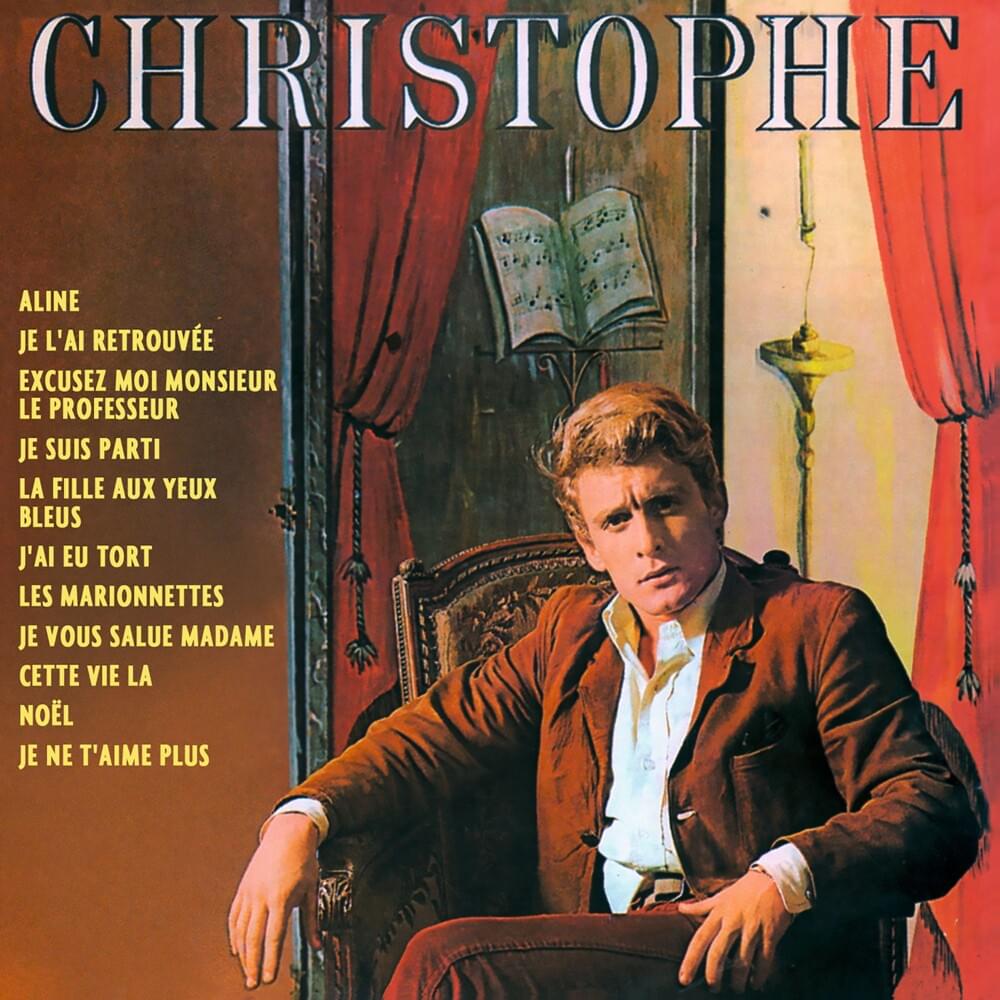
Christophe's "Je ne t'aime plus" isn't a grand operatic rejection, but a stark, repetitive declaration of emotional severance. The song meaning resides in its brutal simplicity: "I don't love you anymore." The layering of "non, non" amplifies the denial, almost as if the speaker is trying to convince themselves as much as their partner. The brief flashbacks – "Le jour de notre mariage," "La petite chambre" – serve not as nostalgic yearning, but as contrasts to the present. These memories are tainted, the initial joy replaced by a cold, irreversible shift. The speaker acknowledges a past commitment ("Oui, j'ai dit oui") but insists on being left alone, highlighting a sense of suffocation and a desperate need for personal space.
The lyrics hint at a transformation in the partner – "Tu n'es plus sage / Comme l'image / Que j'ai posé devant mes yeux." This suggests a disillusionment, the shattering of an idealized version of the loved one. This perceived change fuels the speaker's detachment. The repetition of "Je ne t'aime plus" transcends a mere statement of fact; it becomes a mantra, a forceful pushing away of unwanted emotions and memories. The plea, "Ne me fais pas la guerre," reveals an anticipation of conflict, a pre-emptive strike against potential emotional turmoil.
Ultimately, "Je ne t'aime plus" is a study in emotional closure. It's not about the reasons for the lost love, but the resolute finality of its absence. The bluntness of the declaration, devoid of flowery language or elaborate explanations, underscores the speaker's determination to move on, regardless of the pain it may inflict. The song is a psychological portrait of someone severing ties, prioritizing their own emotional well-being above all else. The raw honesty, amplified by Christophe's delivery (though not described), makes it a chillingly effective exploration of love's expiration.
 View Artist