Song Meaning
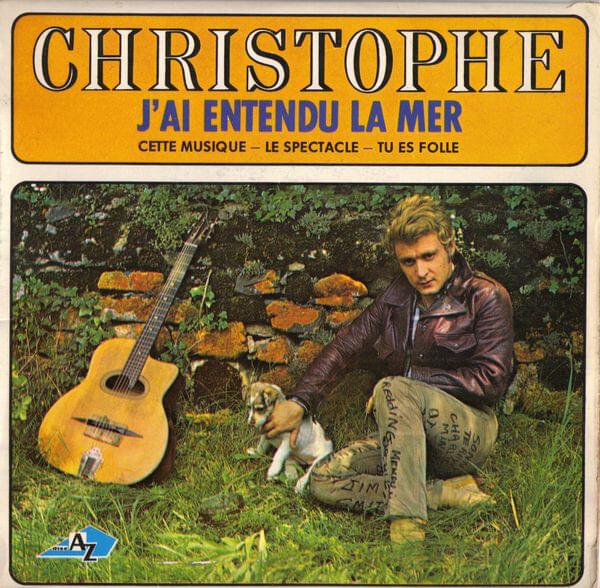
Christophe's "J'ai entendu la mer" isn't just a song; it's a sonic postcard from the shores of melancholia. It's a postcard stained with the salt of lost summers and the quiet desperation of a soul yearning for an elusive connection. The imagery unfolds like a faded photograph: crumbling sandcastles, a beach littered with the ghosts of dead romances, and a city echoing with empty spaces. These aren't just scenic details; they're metaphors for the impermanence of joy and the lingering ache of absence. The 'sleeping lookout road' hints at a vigilance that has waned, a watchfulness that couldn't prevent the inevitable decay. The lyrics paint a picture of a world where beauty is constantly undermined by the relentless march of time and the erosion of human connection.
The recurring refrain, "J'ai entendu la mer/Souvent me fredonner/Tu sais, je m'ennuie l'hiver !/Pourquoi passe-t-il, l'été ?" (I heard the sea/Often humming to me/You know, I'm bored in winter!/Why does summer pass?), is the song's emotional core. The sea, a constant presence, murmurs a lament—a shared experience of ennui. The question 'Why does summer pass?' isn't just a lament for warmer weather; it's a deeper existential questioning of why moments of happiness are so fleeting. There is a sense of powerlessness, that the speaker is at the mercy of forces outside of their control.
The image of the lost boat searching for its master and the promise of freedom represents another key layer to the song's meaning. This is a search for belonging, for a connection to something or someone that can provide liberation from the 'port' that holds it captive. The port here isn't just a physical place, but potentially a state of mind, a feeling of being stuck or confined. The song's repetition reinforces this cyclical nature of longing and loss, emphasizing that the search for meaning and connection is an ongoing, perhaps never-ending, journey.
 View Artist