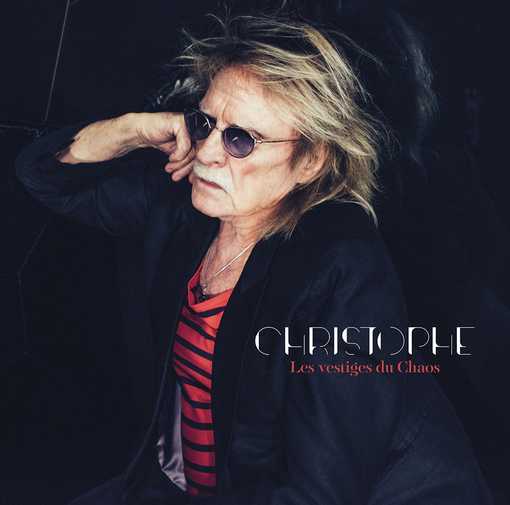
Song Meaning
Christophe's "E Justo" isn't just a song; it's a collage of longing, transgression, and the desperate search for redemption in lost love. The lyrics, fragmented and dreamlike, piece together a narrative of youthful rebellion and its consequences. The opening verses paint a stark picture: a letter to family, an admission of a 14-year-old's impulsive act—"J'ai sauté" (I jumped)—followed by the humiliating capture, "Je m'suis fait gauler," in the older boys' dormitory. This initial act of defiance, shrouded in ambiguity, sets the stage for the core of the song: an obsessive yearning for a woman who seems to represent both salvation and damnation. The repeated line, "Depuis je l'appelle, Je sais qu'elle reviendra..." (Since then I call her, I know she will return...) speaks to an unwavering, perhaps delusional, hope.
The interweaving of Catherine Pozzi's poem "Vale" elevates "E Justo" beyond a simple narrative of regret. Pozzi's words, "J'ai retrouvé le céleste et sauvage, Le paradis où l'angoisse est désir" (I rediscovered the celestial and savage, The paradise where anguish is desire), inject a layer of profound romanticism and spiritual seeking. The poem suggests that even in pain and anguish, there exists a form of paradise, a heightened state of being accessible only through intense emotional experience. This connection reframes the protagonist's transgression not merely as a youthful mistake, but as a catalyst for a deeper, almost mystical, connection with the object of his desire.
The inclusion of excerpts from the documentary "D'Amore Si Vive" further enriches the song's exploration of love and suffering. The lines "Je revivrai notre grande journée, Et cette amour que je t'avais donnée, Pour la douleur" (I will relive our great day, And this love that I gave you, For the pain) underscore the idea that love and pain are inextricably linked. "E Justo" becomes a meditation on the enduring power of memory and the human capacity to find meaning, even beauty, in the face of heartbreak. The song meaning ultimately hinges on the cyclical nature of love, loss, and the persistent hope for reunion, even if that reunion exists only in the realm of memory and imagination.