Song Meaning
The lyrics paint a picture of a relationship struggling against the erosion of time and the weight of past mistakes. The opening lines, comparing the passage of time to the wind, immediately establish a sense of inevitable change and the difficulty of holding onto memories and desires. The narrator admits to a possessive impulse, a desire for permanence that leads to errors, suggesting a conflict between wanting to own love and the reality of its fleeting nature. This sets a tone of regret and vulnerability.
The central tension lies in the narrator's internal conflict between love and fear. They express love but are terrified of the truth behind spoken words, fearing that declarations of affection might be hollow or ultimately untrue. The repetition of "Tous ces mots / Tous égaux / Un écho de trop" highlights a sense of overwhelming, perhaps meaningless, communication, where too much talk has become a burden. This fear makes them plead for forgiveness, acknowledging their own shortcomings and the pain they've caused.
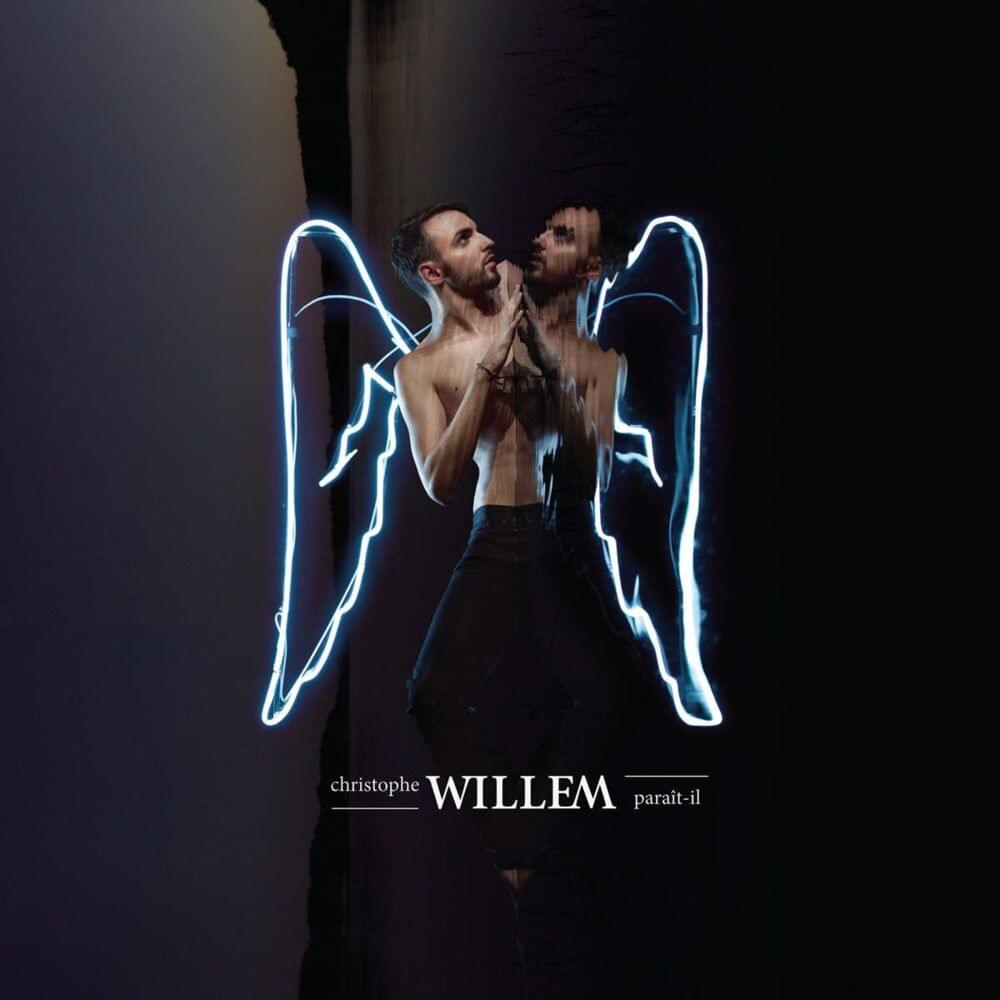
The recurring phrase "paraît-il" (it seems, apparently) introduces a pervasive sense of doubt and hearsay, as if the narrator is relaying observations about their relationship from an external, uncertain perspective. This is particularly striking in the description of the couple as "deux vieux amants" (two old lovers) whose flame has long since died. The lyrics suggest a relationship that has become routine, where the passion has faded, leaving behind only the echoes of what once was, making the present emotional state feel like a distant, almost unbelievable, reality.
What makes these lyrics resonate is their raw portrayal of insecurity within a long-term connection. The narrator isn't just lamenting a lost love; they're grappling with the fear that the love they still feel might not be reciprocated or real, and that their own actions have contributed to this decay. The plea for forgiveness, "Pardonne moi, ne m'en veux pas," is a desperate attempt to salvage something from the wreckage, acknowledging the fragility of both love and truth in-person communication.
 View Artist